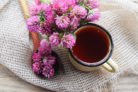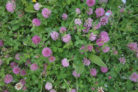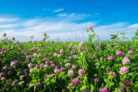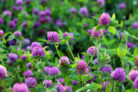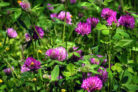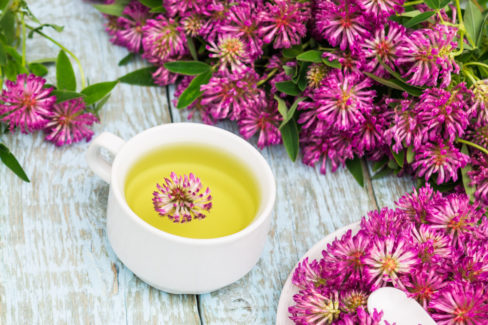
Warm weather is finally here, and that means it’s time for light, fresh meals that make any foodie’s heart skip a beat. There’s honestly nothing better than the taste of herbs and greens you’ve grown yourself—and why not get a little fancy with it? While we all love our homegrown asparagus, strawberries, and summer salads, there’s a “new” garden gem making its way onto plates: red clover. Those vibrant pink blossoms aren’t just edible; they turn even the simplest snack into a gourmet masterpiece.
Red Clover: The New Trend Ingredient?
With more people leaning into plant-based eating, red clover has become a total superstar in vegetarian and vegan kitchens. Let’s be real: we love our parsley and chives, but red clover adds a pop of color and a unique flair that standard herbs just can’t match.
Quick Tips for Using It
You can use red clover in pretty much any dish where you’d normally use watercress or sprouts. To get the most out of its impressive nutritional profile, try to eat the blossoms raw. They are packed with:
- Vitamin C
- B Vitamins
- Flavonoids
- And a surprising amount of protein!
Just a heads-up, though: don’t go *too* overboard. Red clover has natural diuretic and mild laxative properties (which is why it’s sometimes used as a home remedy for constipation), so enjoy it in moderation.
What does red clover taste like?
Red clover is wonderfully mild and adds a subtle, delicate flavor to your cooking. True foodies will notice a very slight tangy or acidic note depending on where the clover was grown and how it’s prepared.
If you prefer an even milder taste, try using red clover sprouts instead of the full-grown flowers. You can find seeds at most garden centers, and they only take about a week to sprout on your windowsill!
Perfect Pairings
- Soups
- Fresh salads
- Rice dishes
- As a beautiful garnish for desserts or open-faced sandwiches
Preparation
If you’re foraging for clover in the wild, give the blossoms a good shake first. Red clover is a favorite for pollinators, so you want to make sure no hitchhiking bees or wasps are hiding inside! Give them a very quick rinse, but don’t soak them. If you want to go the extra mile for flavor, pluck the pink petals away from the green base; the green parts can sometimes be a bit bitter, while the petals are pure sweetness.
Pro Tip: If you harvested more than you can use, tie the leftover stems into small bundles and hang them upside down to dry. Dried red clover will stay fresh in your pantry for about a month.
Where to Harvest
When you’re out looking for red clover, location is everything. Make sure you’re picking from a spot well away from busy roads and areas popular with dog walkers. You want your greens as clean and natural as possible!