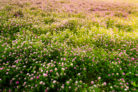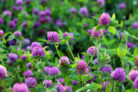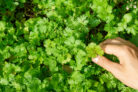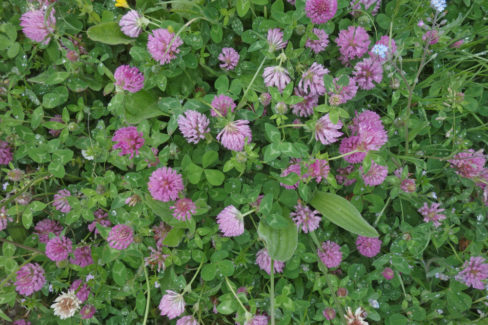
Most of us probably know Red Clover as that stubborn weed that pops up in the middle of the lawn. Even though the flowers look delicate and pretty, this plant is a powerhouse underground. It grows a massive taproot that digs deep into the soil, making it a real pain to pull out! But honestly, even if it’s a nuisance for gardeners, you’ve got to admit that nature is pretty amazing. Let’s dive into some cool facts about Red Clover and why you might actually want it around.
The Basics
Names and Botanical Classification
- Latin Name: Trifolium pratense
- Common Names: Red Clover, Meadow Clover, Cowgrass, Bee-bread
- Plant Family: Fabaceae (Legumes)
- Genus: Trifolium (Clover)
Origin
- Native to: Europe and Asia (but very common in North America now!)
- Preferred Conditions: Full sun to light shade; loves nutrient-rich soil and moderate moisture.
Key Traits
- Life Cycle: Perennial
- Status: Often considered a weed
- Propagation: Self-seeding and underground runners
- Toxic?: No, it’s safe!
- Hardiness: Very frost-resistant and winter-hardy.
Appearance
Growth Habit
- Typical Height: About 15 inches (40 cm)
- Root System: Can grow a taproot up to 6 feet (2 m) long!
Pro Tip: If you’re actually cultivating it and giving it some TLC, Red Clover can reach heights of up to 28 inches (70 cm).
Flowers
- Bloom Time: April through October
- Colors: Red, deep pink, or rosy purple
- Structure: Up to 100 tiny individual florets on a single stem
- Size: Flower heads are about 1 inch (2 cm) in diameter.
Fruit
- Type: Small pods
- Length: 2 to 5 mm
- Color: Brown
Leaves
- Leaflets: 3 per stem (the classic clover look!)
- Length: 0.5 to 2.5 inches (1.5 to 6 cm)
- Shape: Smooth edges
- Distinguishing Mark: A pale, V-shaped white spot in the center of the leaf.
How to Use It
Even though Red Clover gets a bad rap as a weed, it’s actually a “super plant” with tons of benefits:
Edible Red Clover
Did you know you can eat the flowers? They’re totally safe! Sprinkle the blossoms over a fresh salad for a pop of color, or use the seeds as a nutty topping for toast with butter or cream cheese. The seeds also add a unique flavor to soups. If you prefer something milder, try sprouting the seeds—Red Clover sprouts are delicious and used just like alfalfa sprouts.
In the Garden
Humans aren’t the only ones who love Red Clover. It’s a total magnet for pollinators! Bees especially love the nectar-rich pink blossoms. If you want a bee-friendly yard, this is a great plant to have around.
In Agriculture
Farmers love Red Clover and grow it on a massive scale. Because it spreads fast and blooms all summer, it provides a high yield. It’s mostly used as high-quality livestock feed or as “green manure” (cover cropping) to fix nitrogen back into the soil.
Pro Tip: If you’re buying seeds to grow at home, make sure you’re getting food-grade seeds from a health food store or a specialty garden center if you plan on eating them!
Medicinal Uses
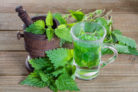
Red Clover has been used as a natural remedy for ages. It contains plant compounds (isoflavones) that are often used to help with things like menstrual cramps or respiratory issues. You’ll often find Red Clover extract in skin ointments, too. One of my favorite ways to use it? Brew a simple tea from the dried flowers—it’s a wonderful way to relax and unwind in the evening.