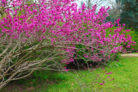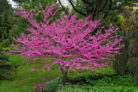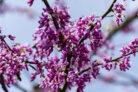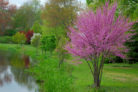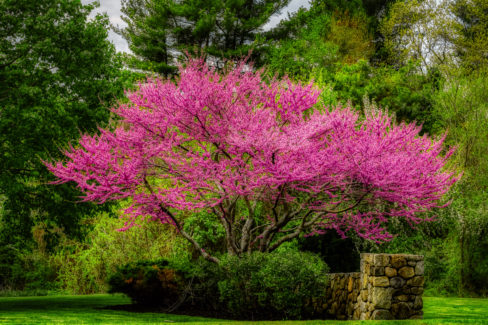
Hailing from the sunny Mediterranean, the Judas Tree (*Cercis siliquastrum*)—often called the Love Tree because of its heart-shaped leaves—is a stunning deciduous showstopper and easily one of the most beautiful spring bloomers you can add to your landscape. These trees often start showing off as early as March, and as they age, they develop a gorgeous, wide-spreading canopy.
The Judas Tree blooms from March to May
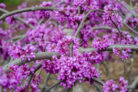
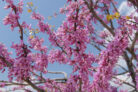
From March through May, you can expect a literal sea of pink, red, or white blossoms. One of the coolest things about this tree is the timing: the delicate flowers steal the show first, and the lush, rounded green leaves join the party a bit later.
The Judas Tree doesn’t just bloom on new growth, either. You’ll actually see flowers popping up on older branches and even right off the main trunk! And here’s a pro tip: those lovely petals are actually edible. They make a fantastic, gourmet-looking garnish for salads or desserts.
Picking the right spot for your variety
Generally speaking, Judas Trees crave a warm, sunny, and sheltered spot. However, there are a few different species out there, and some handle the cold better than others. If you live in a chillier climate, the Chinese Redbud (*Cercis chinensis*) and the Eastern Redbud (*Cercis canadensis*) are your best bets for frost resistance.
To play it safe and keep your tree happy, aim for a south-facing location when planting.
Ideal soil conditions
These trees prefer soil that is lime-rich, well-draining, and on the drier side. Depending on the specific variety, some can tolerate soil rich in organic matter with a neutral to slightly acidic pH.
The best part? Once established, they are incredibly low-maintenance. You usually won’t even need to worry about regular fertilizing or watering.
A light trim is usually plenty
If you’re growing your tree as a standalone feature, a simple maintenance prune is all you really need. However, if you’re feeling ambitious and want to train it into a standard tree or even a bonsai, you can definitely be a bit more aggressive with the shears.
Common pests and diseases
The Judas Tree is a tough cookie and rarely gets sick. If you do happen to notice pests or signs of disease, it’s usually a hint that the tree is stressed because of a bad location or a hiccup in its care routine.
Winter hardiness
Mature trees are quite hardy and can handle frost like a champ. Younger saplings, however, are a bit more sensitive. You’ll want to give them some solid winter protection or, if possible, keep them in a frost-free spot until they’ve got some years under their belt.
Extra tips for success
If you want to grow your collection, the Judas Tree is pretty easy to propagate using seeds or cuttings. The tree produces pods that hold several seeds each—just wait until the pods are completely dry before you harvest them.