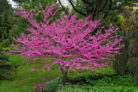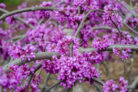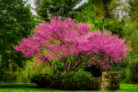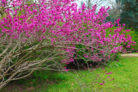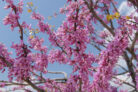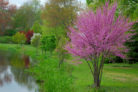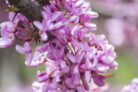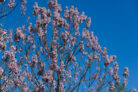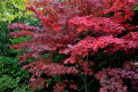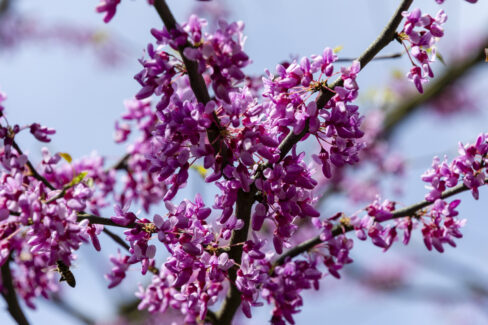
The Redbud tree (also known as the Judas tree) is a stunning ornamental that can reach heights of 20 feet or more, wowing us every spring with its explosion of pink blossoms. What’s really cool about this tree is that the flowers don’t just grow on new twigs—they actually sprout directly from the old wood and even the trunk! Once fall rolls around, the tree puts on another show with gorgeous autumn colors. However, there is a catch: these beauties are only truly hardy in milder climates. Just how much cold they can handle depends a lot on the specific variety and how old the tree is.
Not every variety is winter-ready
Despite what some garden centers might tell you, Redbuds aren’t 100% “set it and forget it” when it comes to winter. They definitely have a sensitive side when temperatures plummet. This sensitivity varies based on the tree’s age and type, but the planting location makes a huge difference too.
Younger trees, in particular, need a little extra TLC and winter protection. As they get older and more established, they become much more resilient. Still, if you live in a region with brutally cold winters, these trees might struggle to feel at home.
Choosing the right spot
You can help your tree survive a harsh winter by being strategic about where you plant it.
Whether you’re growing it as a standard tree or a tall trunk, aim for a sunny, warm spot that’s shielded from the wind. A south-facing location, ideally near a house wall that radiates heat, is perfect. Avoid drafty areas or spots with too much shade.
The best way to winterize
When the thermometer dips deep into the negatives, you’ll want to give your tree a helping hand.
Here’s the best game plan:
- Wrap the trunk and the crown with burlap or jute.
- Apply a thick layer of fallen leaves or brush over the root zone. This is crucial because Redbuds have shallow roots that feel the chill easily.
One quick tip: avoid using bark mulch for this, as it can make the soil too acidic for the tree’s liking.
Overwintering Redbuds in pots
If you’re growing your tree in a container or as a bonsai, keep in mind that they are way more sensitive to frost than trees planted in the ground. You’ll need to wrap the pot well and set it on a piece of Styrofoam to insulate it from the frozen ground.
In areas with very harsh winters, it’s safest to bring your potted Redbud indoors to a cool spot (no warmer than 50°F or 10°C) for the season.
A few extra tips
Keep an eye out for late spring frosts! If a freeze is predicted after the buds have started to wake up, it’s a good idea to cover the crown overnight. If the buds freeze, you’ll lose out on that spectacular blooming season, and nobody wants to miss those iconic flowers.