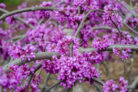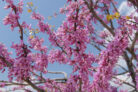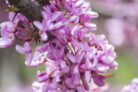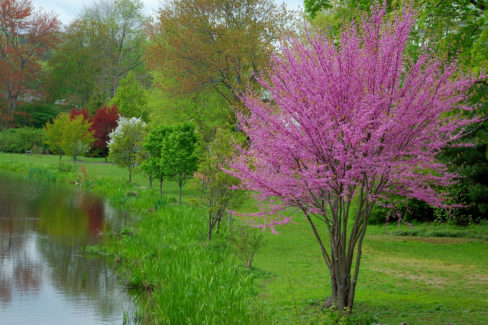
The Redbud (or Judas Tree) is an absolutely stunning ornamental tree that does something pretty wild: it doesn’t just bloom on its branches, but right on the main trunk! This cool phenomenon is called cauliflory, and it’s nature’s way of making it super easy for insects to find the nectar and pollinate the flowers. This boost in pollination means a much better chance for the tree to produce seeds. If you really want to show off those fascinating trunk-blooms, growing your Redbud as a “standard” (a tree with a clear, tall trunk) is definitely the way to go.
Choosing the Right Variety
Redbuds come in several different species and varieties from all over the globe. Some of these beauties can reach heights of 20 to 40 feet and spread nearly as wide.
Usually, the crown is lush but delicately branched. However, other types—like the smaller Chinese Redbud or various Weeping Redbud varieties—naturally grow more like shrubs. With a little patience, these can be trained into beautiful upright standards.
How to Train a Redbud Standard
Training a Redbud to have a tall, clear trunk is a lot like how you’d prune a fruit tree.
Here’s the best way to do it:
- Pick the strongest, straightest shoot to be your “leader” (the main trunk).
- Tie this shoot to a sturdy support stake. Make sure the stake is as tall as you want the final trunk to be.
- Regularly prune away any side shoots that pop up along the lower part of the stem.
If you buy a pre-trained standard from a nursery, it’s usually a grafted plant. Often, a Chinese Redbud is grafted onto the roots of a more cold-hardy Eastern (Canadian) Redbud to give it the best of both worlds.
Growing Your Standard in the Garden
These nursery-bought standards work great whether you plant them directly in your garden or keep them in a large patio pot. The care routine is pretty much the same as it is for a regular Redbud.
The most important thing is to find a warm, sunny spot. This ensures your tree has enough energy to put on that spectacular floral show in the spring.
Just a heads-up if you live in a region with harsh winters: the Chinese Redbud can be a bit sensitive to the cold. If you have one of these, it’s best to grow it in a container or give it some extra protection during the winter months. Wrapping it in an insulating garden fleece works wonders.
Keep in mind that if a grafted tree gets hit by a severe freeze, the top part might die back, and the hardy rootstock might start sending up its own new shoots in the spring.
Pro Tips for Success
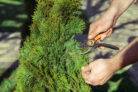
If you need to do some shaping, the best time for pruning is in the spring. Aim for a mild, overcast day when there’s no frost in the forecast. Whether you choose to prune before or after the blooming period is entirely up to you!