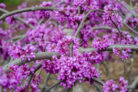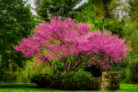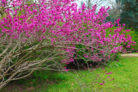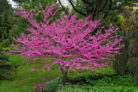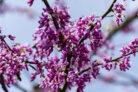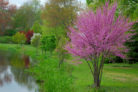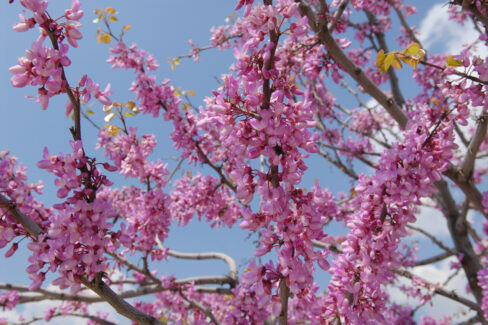
The Redbud tree (Cercis siliquastrum) is a stunning deciduous tree that grows pretty quickly once it gets settled. Depending on the variety, these beauties hail from North America, Asia, or Southern Europe. They’re famous for their spectacular early spring blooms and their gorgeous fall foliage. While they are generally low-maintenance, it can be a real bummer when those iconic flowers fail to show up.
Why Isn’t My Redbud Blooming?
If your beloved Redbud is refusing to flower, there are a few culprits to look for beyond just pests or diseases.
Here are the most common reasons your tree might be acting shy:
- Too Much Moisture
It’s very possible your shrub is sitting in soil that’s too damp or even suffering from “wet feet” (standing water). You’ll want to fix the drainage fast before the tree starts to wilt or develop root rot.
- The Wrong Spot
Often, a lack of flowers comes down to location. Redbuds crave a sunny, warm, and sheltered spot. If your tree only gets a little sun in the morning or evening, or if it’s stuck in a drafty, windy corridor, it’s not going to be happy enough to put on a show during blooming season.
- Soil That’s Too Acidic
Soil quality plays a huge role here. Most Redbuds prefer soil that is dry, lime-rich, and neutral to slightly alkaline. Acidic soil is usually a no-go. While some specific varieties are a bit more tolerant, you’re safest sticking with an alkaline pH. Plus, healthy soil makes your tree much more resistant to disease!
Winter Frost Damage
Redbuds are only moderately winter hardy. A late spring frost can easily zap the flower buds, meaning no blooms for the rest of the year. To keep your tree safe, give it some solid winter protection. If you live in a region with brutally cold winters, you might want to reconsider planting one in an exposed area.
Fertilizer Mistakes
Here’s a fun fact: Cercis siliquastrum is a legume! This means it actually produces its own nitrogen with the help of specialized bacteria in the soil. Because of this, you should avoid nitrogen-heavy fertilizers like compost or horn shavings. If you want to encourage a lush bloom, stick to fertilizers rich in lime, phosphorus, or potassium instead.
Extra Pro-Tips
If you live in a zone with very harsh winters, the standard Redbud might struggle. In that case, you might want to look into the Katsura tree—it’s just as lovely but a whole lot tougher when the temperature drops!