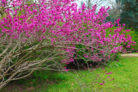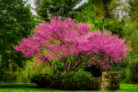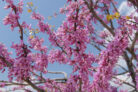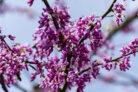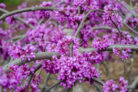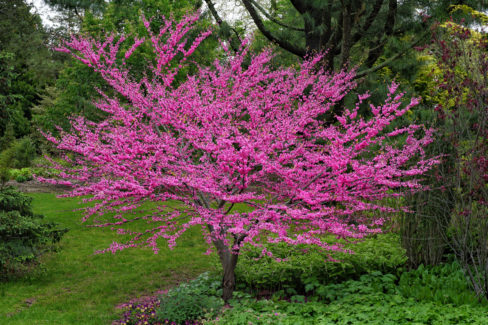
The Redbud tree—often called the Judas tree or even the “Love Tree” thanks to those heart-shaped leaves—is one of the absolute stars of the spring garden. Its stunning floral display makes it a real showstopper in any landscape. One of the best things about this tree? It’s pretty low-maintenance and doesn’t actually need a regular haircut. In fact, the less you prune it, the better! That said, if you do need to tidy it up, the Redbud is generally very forgiving.
Stick to a simple maintenance prune
Since the Redbud blooms mostly on wood that is at least two years old, hacking it back every year will just rob you of those gorgeous flowers. Heavy pruning isn’t necessary, but your tree will definitely appreciate a light “beauty treatment” to keep it looking its best.
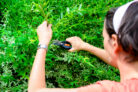
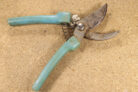
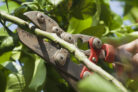
Always make sure your garden shears are sharp, clean, and disinfected before you start. The best time to prune is in early spring, just before the buds start to swell.
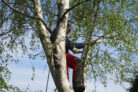
Here’s your quick checklist of what to remove:
- Any diseased or dead wood.
- Branches that didn’t make it through a rough winter (frost damage).
- “Competitor” shoots that are trying to outgrow the main trunk.
- Branches that are crossing over each other or growing inward toward the center.
You usually won’t need to thin out the canopy because Redbuds naturally have a lovely, airy growth habit. However, if you’ve got an older tree that’s been neglected for a few years, a little thinning might be necessary to get it back in shape.
Give it room to grow from day one
The secret to minimal pruning is picking the right spot in your yard from the start. Give it plenty of elbow room! Depending on the variety, these trees can reach up to 20 feet tall. They’re also surprisingly fast growers—don’t be shocked if yours puts on about 20 inches of new growth in a single year.
Training your Redbud
If you’re looking for a specific look, like a standard (tree-form) or even a bonsai, the rules change a bit. In these cases, you can cut the growth back by about a third. Just take your time and be gentle so you don’t stress the tree. Most varieties handle this kind of shaping very well.
A note on Weeping Redbuds
If you have a weeping variety, put the shears down! These should only be pruned in absolute emergencies. Their unique, cascading shape is their best feature, and it’s very easy to accidentally ruin that natural silhouette with a bad cut.
Pro tips for success
Try to schedule your pruning for a mild, overcast day in March when temperatures are safely above freezing. This keeps the stress on the tree to a minimum and helps it bounce back quickly for the growing season.