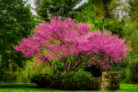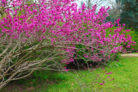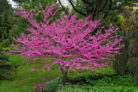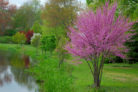
The Judas Tree (Cercis siliquastrum) is hands-down one of the most stunning additions you can make to your backyard. When it’s in full bloom, those delicate, vibrant pink flowers create a total “wow” moment in the spring landscape. The best part? This tree is incredibly low-maintenance. It doesn’t demand a complicated pruning schedule and handles dry spells like a champ.
Origins
The Judas Tree belongs to the carob family, and there are about ten different species of this decorative beauty found across the globe—mostly native to North America and parts of East and West Asia.
In its natural habitat, you’ll find the common Judas Tree growing along riverbanks or tucked into woodlands. It’s a tough cookie, too; it often thrives in dry areas with rocky, lime-rich soil that isn’t particularly nutrient-heavy.
The Blooms
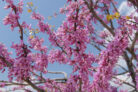
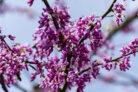
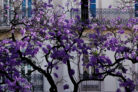
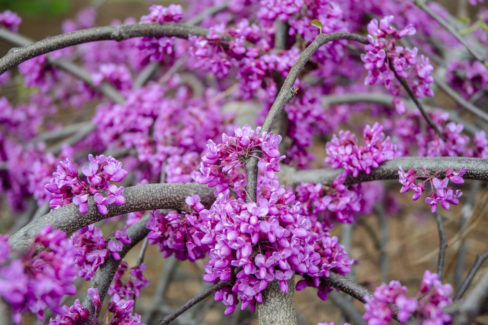
The deep pink flower clusters grow on older wood, and here’s the cool part: they even sprout directly from the trunk! This unique trait is called “cauliflory.” These blooms usually pop up in late March or early April, appearing before the leaves even start to show. It makes the entire tree look like it’s wrapped in a fluffy pink cloud.
Just a quick tip for a spectacular show: make sure your Judas Tree is planted in a sunny, warm spot to get the most out of those blossoms.
The Leaves
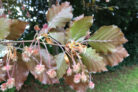
The foliage is just as lovely as the flowers. The leaves are alternate, deciduous, and have a charming rounded shape, usually measuring about 3 to 5 inches across.
The tops of the leaves have a subtle blue-green shimmer, while the undersides are a matte gray-green. Come fall, the whole tree puts on a second show, turning a gorgeous golden-yellow to bright orange.
Fun fact: In Middle Eastern cuisine, the edible petals are actually used as a beautiful garnish for salads and specialty dishes!
Keep Pruning Simple
Since the Judas Tree blooms on older wood, you really only need to do a “maintenance” pruning.
Heavy pruning is actually a bad idea because it cuts down on the number of flowers you’ll get. However, even this hardy tree benefits from a light “haircut” to keep its shape.
Always use sharp, sterilized tools and try to do your shaping just before the blooms emerge.
Focus on removing:
- Any diseased or dead wood.
- Branches that took some damage from the winter frost.
- “Competitor” branches that are trying to overtake the main trunk.
You usually don’t need to thin out the canopy because the tree naturally grows with a nice, airy structure. You might only need to do a deeper thinning on much older trees that haven’t been touched in years.