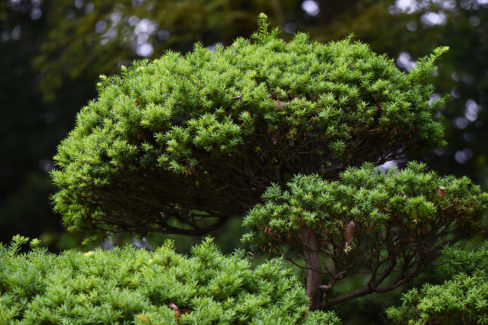
Yews are known for being tough as nails, even in poor soil. But if you want your tree to really thrive and show off that lush, deep green foliage, you’ve got to meet a few of its basic needs. Here’s the lowdown on finding the perfect spot for your yew.
The Best Soil for Your Yew
Yews are native to our neck of the woods, which means they’re already pretty well-adapted to our local soil conditions. Once a yew is fully grown, its powerful root system can pull nutrients from deep underground, allowing it to live for ages without much help from us. However, to get to that point, the young tree needs the right foundation to grow.
Here’s what to look for in your soil:
- Loose, well-aerated earth with plenty of room for roots to go deep.
- A spot that doesn’t get waterlogged (yews hate “wet feet”).
- Plenty of clearance from house walls and other large trees.
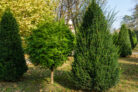
When you’re planting, make sure you aren’t placing your yew directly over any underground utility lines. The yew’s taproots are incredibly strong and can cause some serious damage over time. You’ll also want to keep a respectful distance from your home’s foundation and your neighbor’s property line. If you’re planting a hedge, you can space them a bit tighter than you would for a standalone specimen tree.
Other Location Essentials
Yews are happiest in partial shade. If you stick them in a spot with harsh, direct midday sun, the needles can actually get “sunburned,” and the whole plant might dry out. Keep this in mind when picking your spot! A nearby shrub that provides a little dappled shade can be a huge help for a young yew just starting out. Plus, picking the right location is the best way to prevent potential diseases down the road.
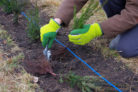
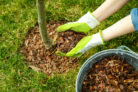
If you’re worried your soil isn’t quite up to par, don’t sweat it—you can give it a little boost. Try adding a drainage layer to help water move away from the roots. You can also mix in some compost or add a layer of mulch around the base. Adding a bit of fertilizer like this will help speed up the growth process, so you don’t have to be quite so patient with these notoriously slow-growing trees!