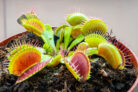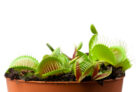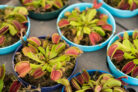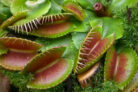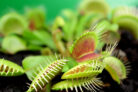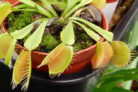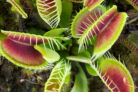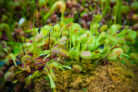
Carnivorous plants need a little extra TLC if you want them to sprout those iconic traps year after year. A big part of that routine is regular repotting—especially when your Venus Flytrap starts outgrowing its home. Here’s everything you need to know to get it right.
The Best Time to Repot
You’ll know it’s time to move your Venus Flytrap when it starts looking a bit cramped in its pot. If you see the plant spilling over the edges or roots circling the bottom, it’s definitely time for an upgrade. These plants spread via underground stems called rhizomes, sending out little “pups” to propagate themselves. Because of this growth habit, I usually recommend repotting once a year.
When you repot, you can actually divide these rhizomes. Put the main mother plant in a fresh pot, and take those little offsets to start brand-new plants! The best time to do this is in early spring—think late February or early March—just as the plant is waking up from its winter dormancy.
Step-by-Step Guide to Repotting
- First, prep your new pot with a drainage layer.
- Carefully slide the Venus Flytrap out of its old container.
- Gently shake off or rinse away the old substrate from the roots.
- Use clean snips to trim off any dead or rotted root parts.
- Place the plant in its new home.
- Fill the pot with specialized carnivorous plant soil (or a peat-sand mix) and press down lightly to secure it.
- Give it a good, thorough soak.
Post-Repotting Care
Once your plant is moved in, find it a warm, bright spot. Just be careful not to blast it with intense direct sun right away—let it acclimate slowly. These guys love humidity, so feel free to mist the area around the plant regularly. You’ll also want to keep that soil consistently moist.
When it comes to watering, rain water is your best friend. Never use tap water! If you’re in a pinch, distilled water or still mineral water will work too. Pro tip: Don’t pour water over the top of the plant. Instead, fill the saucer underneath and let the plant soak it up from the bottom. Just refill the tray once it’s gone!