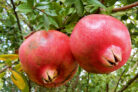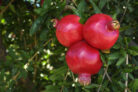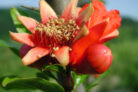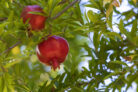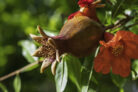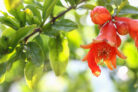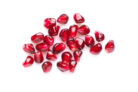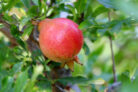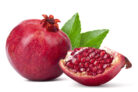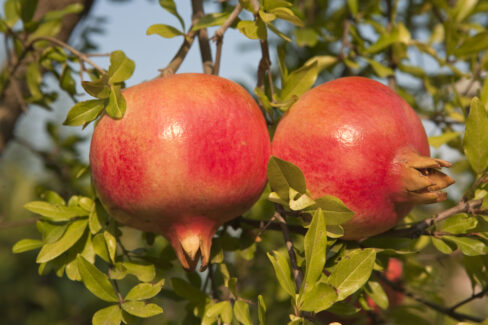
If you’re looking to dip your toes into the world of exotic gardening, the pomegranate is hands-down the best place to start. It’s surprisingly low-maintenance whether it’s summer or winter, but if you give it just a little extra love, it’ll reward you with a fantastic harvest.
Varieties
Believe it or not, there are only two naturally occurring species of pomegranates. The one we all know and love is *Punica granatum*, which is the parent of pretty much every variety grown for its delicious, high-yield fruit. While some breeders focus on flavor, others have developed “ornamental” pomegranates. These are bred specifically for their stunning flowers. You can still eat the fruit from these ornamental types (as long as you’re growing them organically), but they’re usually smaller and a bit more tart than the ones you’d find at the grocery store.
Pomegranates are grown all over the world today in warmer climates, but they originally hail from West and Central Asia. There’s actually a bit of a debate among plant historians about exactly where they started; some think they were being cultivated in the Mediterranean region even earlier. Because of those northern roots, pomegranate season typically kicks off in the fall. If you see them in stores during the summer, they’re likely imported from South America or South Africa and tend to be a little more on the sour side.
Location and Summer Care
The pomegranate is one of those exotic plants that actually does really well in a container, making it totally doable to grow even if you don’t live in the tropics. During the summer, these plants are sun-worshippers—the hotter, the better! They love a spot with full sun. If you can place them against a south-facing wall, even better; the wall will soak up heat during the day and radiate it back to the plant at night.
As for soil, they like a moderately nutrient-rich, moist mix. However, they are the ultimate “vacation-friendly” plant. If you forget to water them or head out of town for a few days, don’t panic—they can handle the root ball drying out completely once in a while. Just try not to make it a habit, especially when the tree is flowering or the fruit is ripening, as they’ll need more consistent moisture then.
Overwintering Your Pomegranate
Pomegranates are tougher than they look and can handle short dips in temperature between 15°F and 23°F (-5°C to -10°C). How much cold they can take really depends on the specific variety and how old the tree is. I always recommend keeping young saplings in a frost-free spot. Older, established trees are much hardier and do just fine in unheated spaces like a greenhouse, a sunroom, or even a cool garage.
Since pomegranates naturally drop their leaves in the fall, they don’t need a ton of light during their winter dormancy. You can skip the fertilizer during the cold months and just give them a light drink of water every now and then to keep them ticking over until spring.