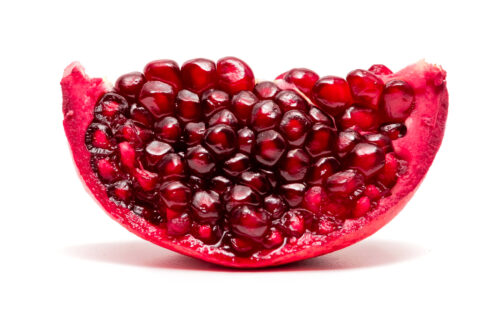
Ever cracked open a pomegranate only to find a nasty surprise? Instead of those gorgeous, ruby-red seeds, you’re staring at a mushy brown mess that smells… well, not great. It’s a total bummer, but there are a few specific reasons why these fruits go bad.
Is it Ripe or Overripe?
To make sure you’re only bringing home the good stuff—whether you’re harvesting from your own tree or browsing the produce aisle—you’ve got to know the signs of a ripe pomegranate. Give the fruit a little tap; a ripe one usually has a distinct metallic “thud” or ring to it. The skin should feel a bit rough, and sometimes you’ll even see tiny cracks, which is actually a good sign!
Now, don’t panic if the skin has a few spots, but watch out for deep brown patches that feel soft or squishy. If you give the fruit a gentle squeeze, it should have a little “give,” but it shouldn’t leave a permanent dent. Those deep, soft brown spots are a major red flag that the rot has already moved inside.
Watch the Clock: Storage Life
One of the biggest reasons a pomegranate turns brown inside is simply that it’s been sitting around too long or wasn’t stored correctly. The good news is that pomegranates don’t continue to ripen after they’re picked, which actually helps them stay fresh longer than many other fruits.
Under the right conditions, a pomegranate can stay fresh for one to two months. The trick is keeping the fruit undamaged and finding the “Goldilocks” temperature. You want a dark spot with moderate humidity and a temperature around 50°F (10°C). Believe it or not, the fridge isn’t the best place for long-term storage because it’s usually too cold and dry. When these exotic fruits get too chilled, they lose that amazing flavor we love.
What to Do with a Bad Fruit
If your pomegranate has gone south, definitely don’t eat it. If you find one tiny spot that hasn’t spread, you can usually just trim it away. But if the inside is mostly brown and funky, it’s time to retire it from the kitchen.
However, don’t toss it in the trash just yet! You can actually use those seeds to grow your very own pomegranate trees. Just plant the seeds in a lean potting mix. Pro tip: Clean off the juicy pulp from the seeds first to help them germinate better. Keep them in a warm spot around 68°F (20°C), and you might just see some little green sprouts popping up soon!