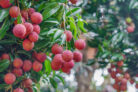
Rowanberry brandy is considered a true gourmet delicacy. If you’ve ever seen a bottle on the shelf, you might have noticed the steep price tag—and that’s because the production process is incredibly labor-intensive. This unique spirit has its roots deep in the traditions of Tyrol, Styria, and other rugged mountain regions of the Alps.
Rowanberry Brandy: A Unique Gourmet Treat
You might also hear this drink called Mountain Ash schnapps or Rowanberry fruit brandy. Sometimes, the specific distillery or the region where it was made is included in the name, but “Rowanberry brandy” is the classic term you’ll run into most often.
Fair warning: Rowanberry brandy has a very distinct, earthy flavor that isn’t for everyone. Between the “acquired taste” and the premium price, it’s definitely a niche product for enthusiasts. That said, it’s absolutely worth a try! If it hits the right notes for you, a small glass is pure bliss.
The Labor-Intensive Distilling Process
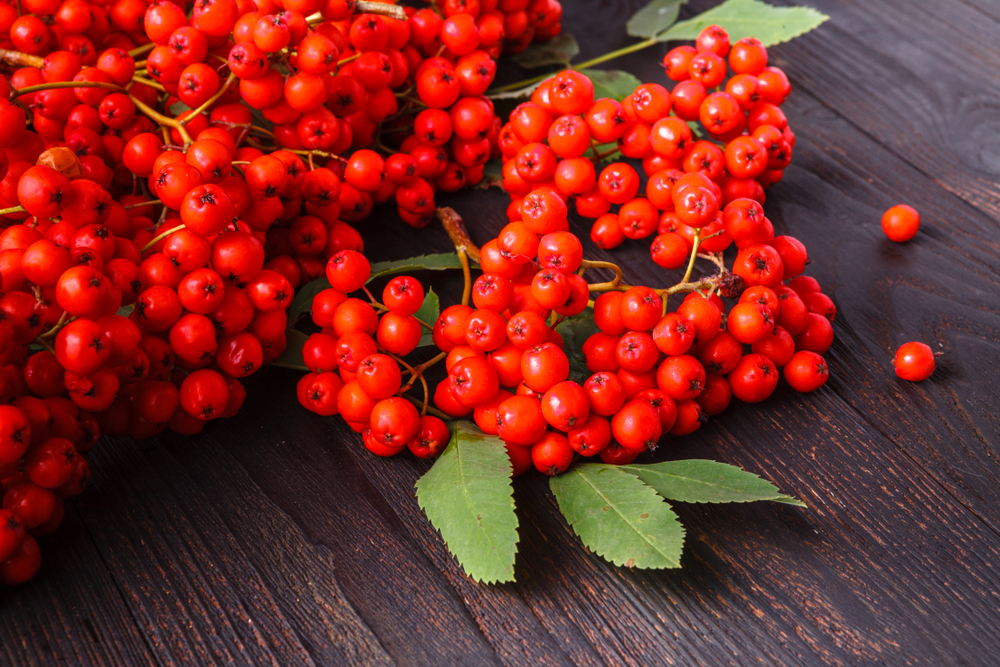
To make just one bottle of Rowanberry brandy, you have to gather a massive amount of fruit. The yield during the distilling process is surprisingly low. To give you an idea: out of 100 liters of mash, you only get about 2 liters of actual brandy. That’s not much at all, which explains why a bottle costs a pretty penny.
Because it’s so much work for such a small reward, I wouldn’t necessarily recommend trying to DIY this for your home bar—though there’s certainly no harm in giving it a shot if you’re feeling adventurous! You generally have two choices: fruit brandy or schnapps. Fruit brandy is made from berries picked before the first frost, resulting in a fruitier, smoother taste. Traditional schnapps uses berries gathered after the frost, which creates a much more rugged, bitter profile.
What to Keep in Mind During Production
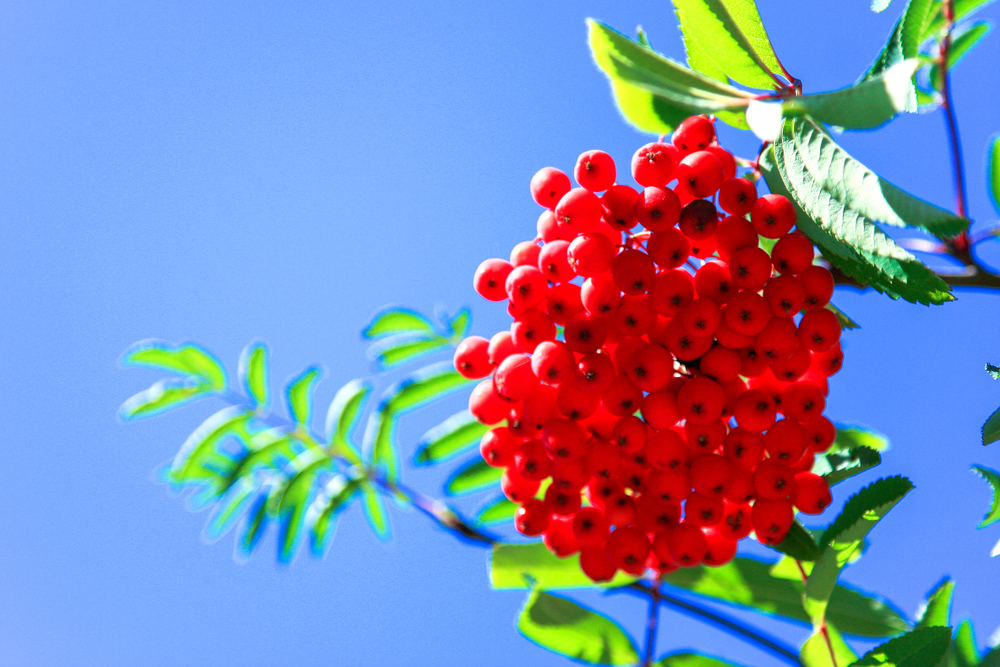
First things first: despite what you might have heard, rowanberries are not poisonous. However, they do contain parasorbic acid, which makes the raw berries incredibly bitter and can cause an upset stomach. Luckily, cooking or fermenting the berries completely eliminates this issue. One thing to note for distillers: parasorbic acid acts as a natural preservative, which can actually slow down the fermentation process.
If you do try your hand at it, it’s vital to carefully remove the berries from their stems. After that, you’ll need to prick each berry with a needle to help them release their full aroma. You’ll also need to add a bit of water to the mix, as rowanberries are naturally quite dry compared to other fruits.