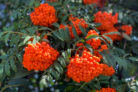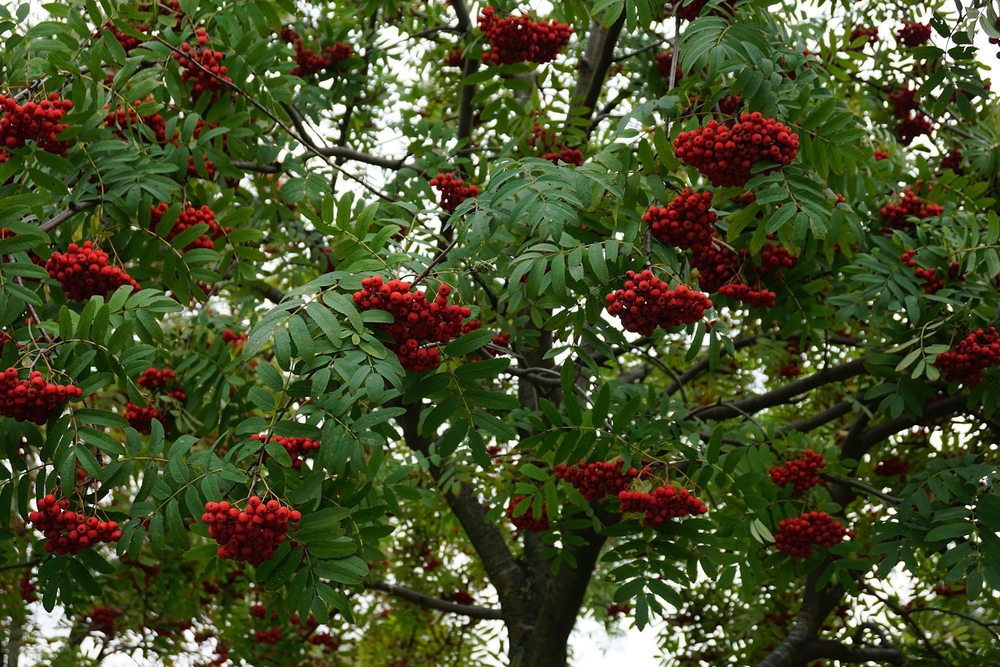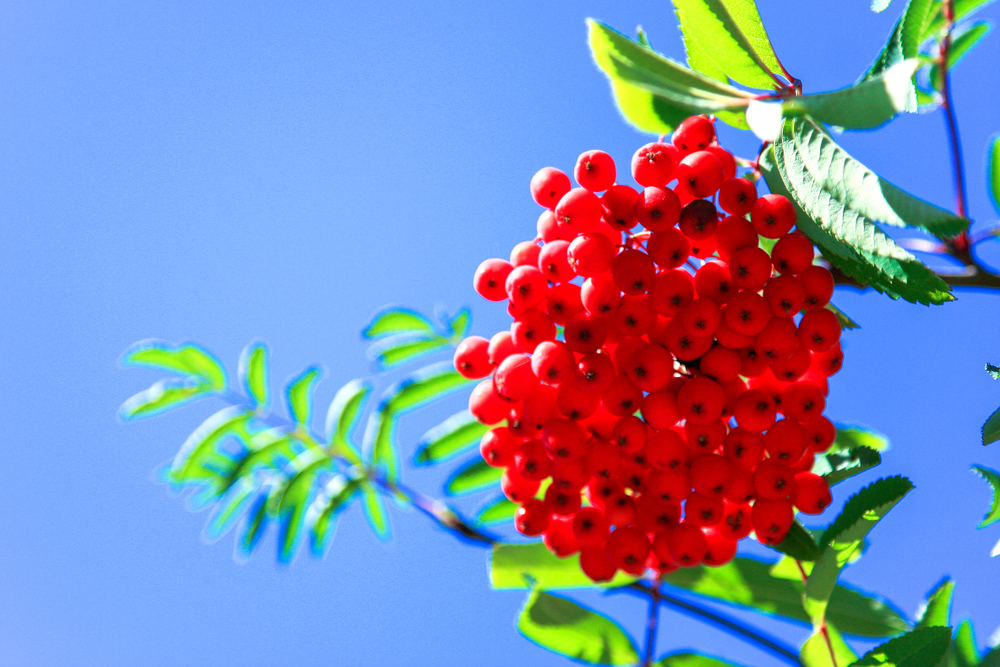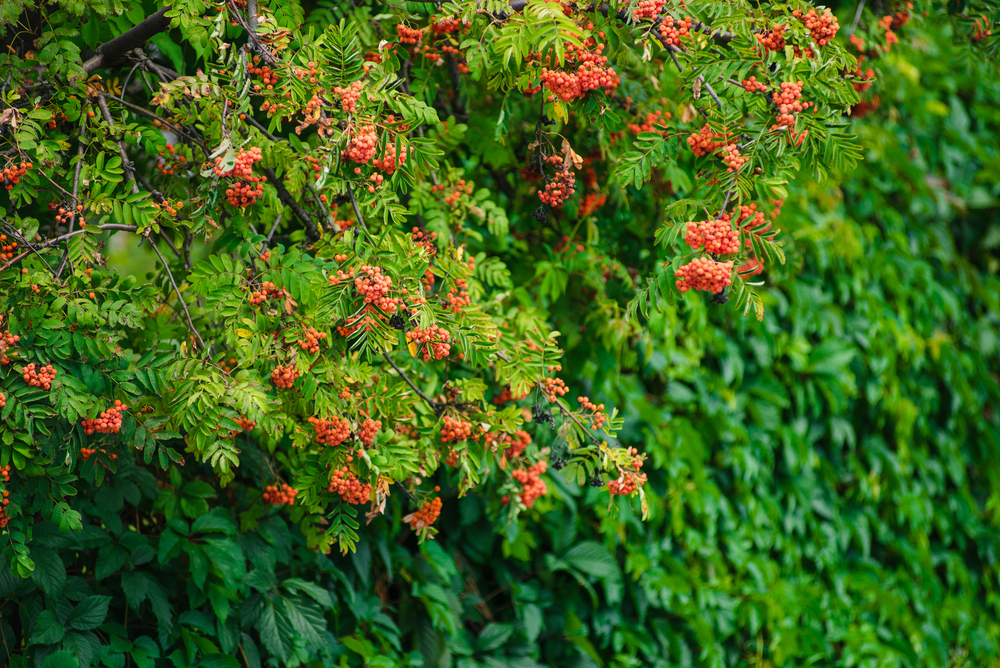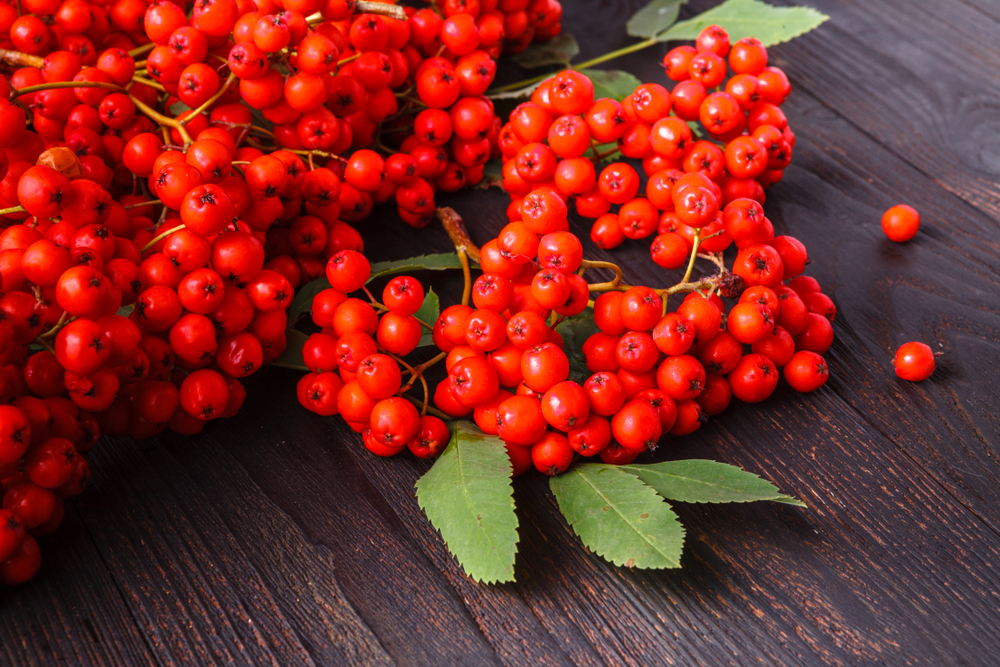
Do you remember being told as a kid to never, ever eat rowanberries? Most of us grew up hearing they were strictly for the birds and totally poisonous to humans. Well, it turns out that old wives’ tale is still going strong today, but I’m here to set the record straight!
Rowanberries aren’t actually poisonous
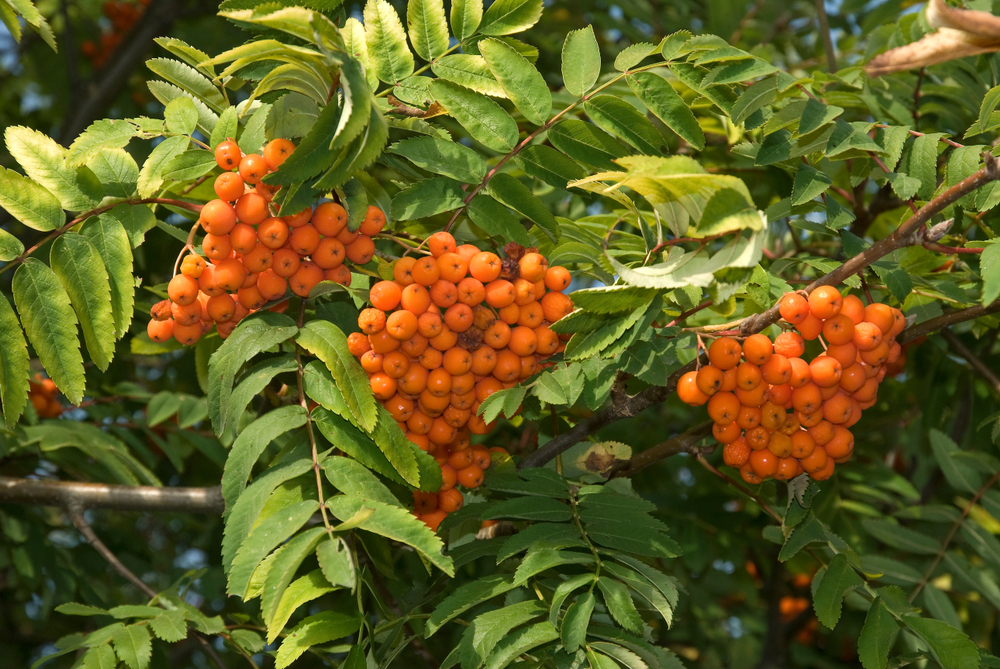
Technically speaking, rowanberries (also known as mountain ash berries) aren’t poisonous. However, they do contain parasorbic acid, which makes them incredibly bitter and pretty much unpalatable right off the branch. You definitely don’t want to snack on them raw, as that can lead to an upset stomach, cramps, or a bathroom emergency. But honestly, they taste so sharp that you’d probably stop after just one berry anyway! You aren’t putting your life at risk, but your taste buds won’t be happy.
The magic happens when you cook them. Heat converts that bitter parasorbic acid into sorbic acid, which our bodies handle just fine. That’s why you’ll find rowanberries used in delicious jams, jellies, and juices. They’re also great in spirits, as the fermentation process also makes the berries safe to consume. Fun fact: back in the day, a sugar substitute for diabetics (sorbose) was even made from these berries, though we’ve moved on to other methods since then.
A powerhouse of vitamins
These little red berries are actually packed with Vitamin C. Since you have to cook or ferment them to make them tasty, you do lose a bit of that nutrient power—but only about 30%. That still leaves plenty of healthy goodness behind! If you’re feeling adventurous in the kitchen, here are a few things you can whip up:
- Juice
- Tea
- Jam or Jelly
- Liqueur
- Wine
- Rowanberry Brandy
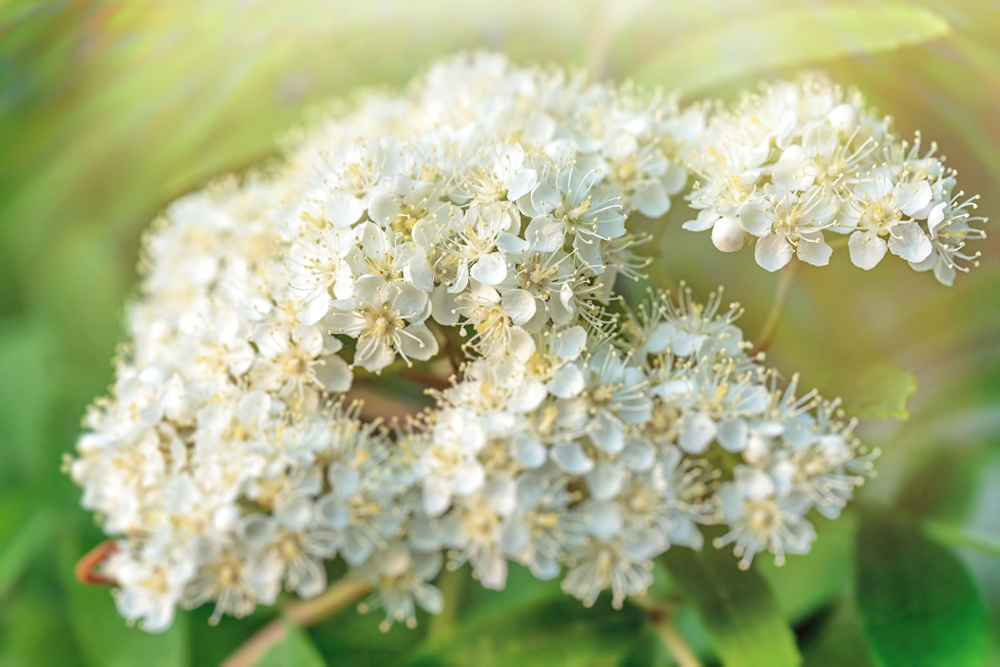
It’s not just the berries, either. The blossoms and leaves of the mountain ash tree have been used in natural medicine for ages. They’re often used in herbal remedies to help soothe a nasty cough or bronchitis. So, next time you see those bright clusters in your yard, give them a little more credit!