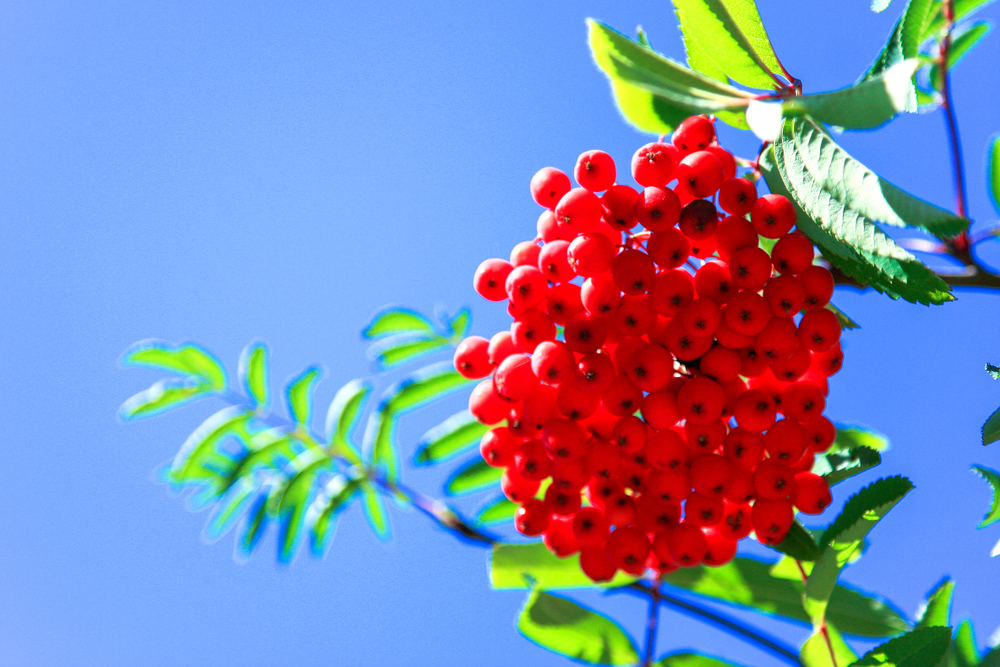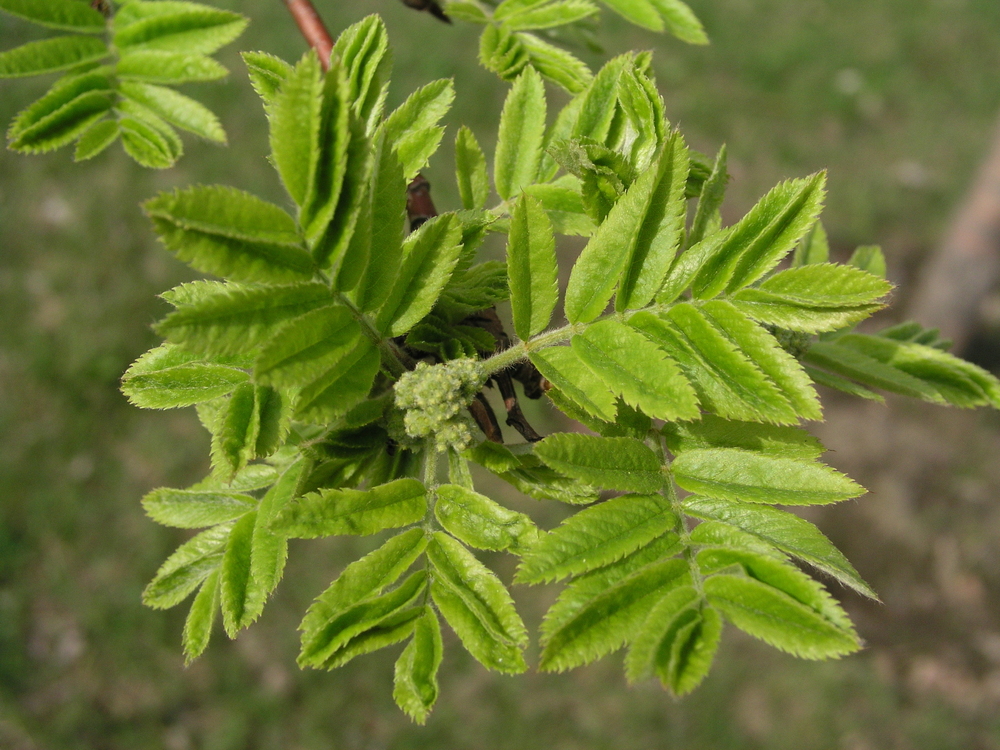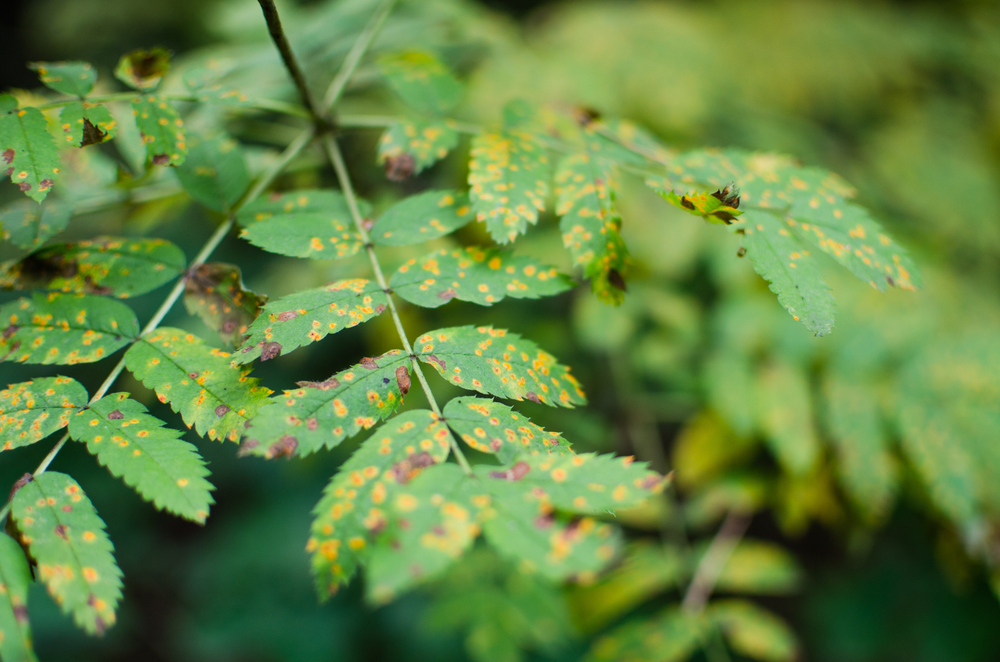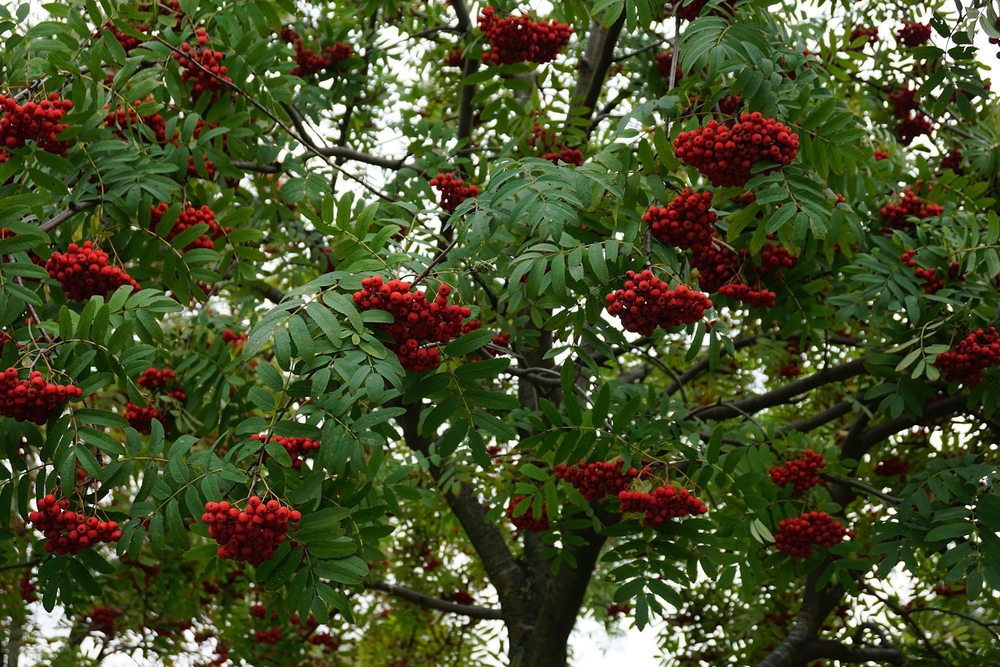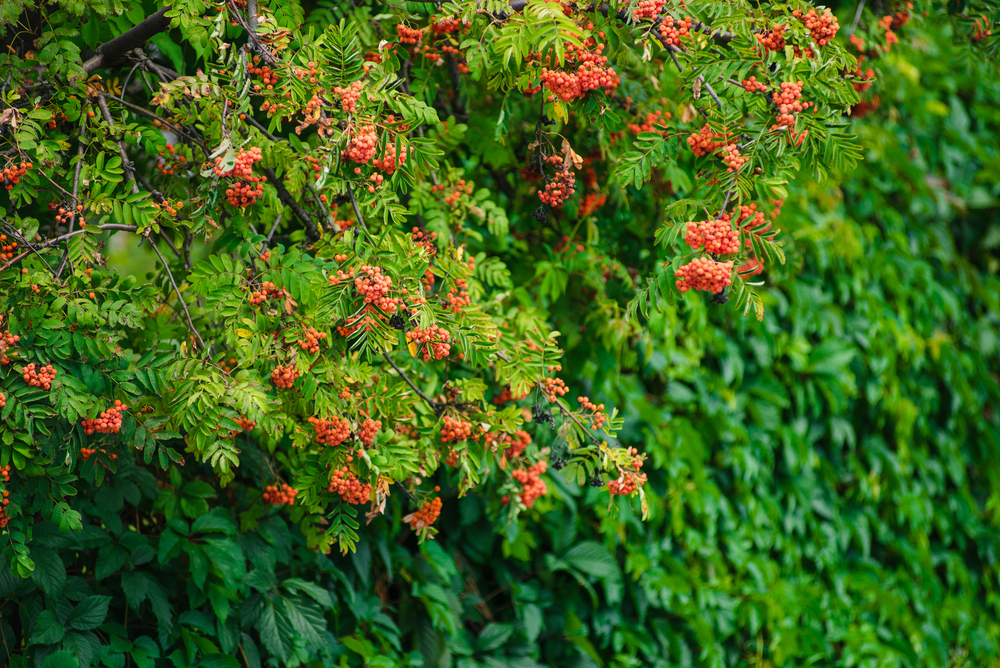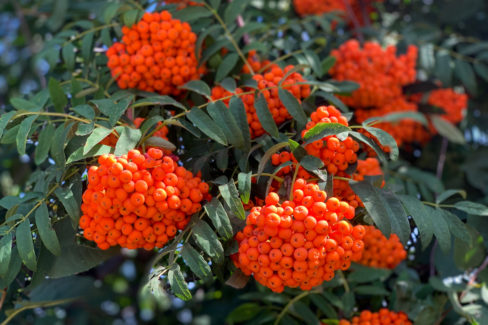
With their stunning clusters of bright red fruit, it’s no wonder so many gardeners love planting mountain ash trees (also known as Rowan trees). If you’re curious about what makes these berries so special, when they pop up, and how to handle them, you’ve come to the right place!
What Makes Mountain Ash Berries So Special?
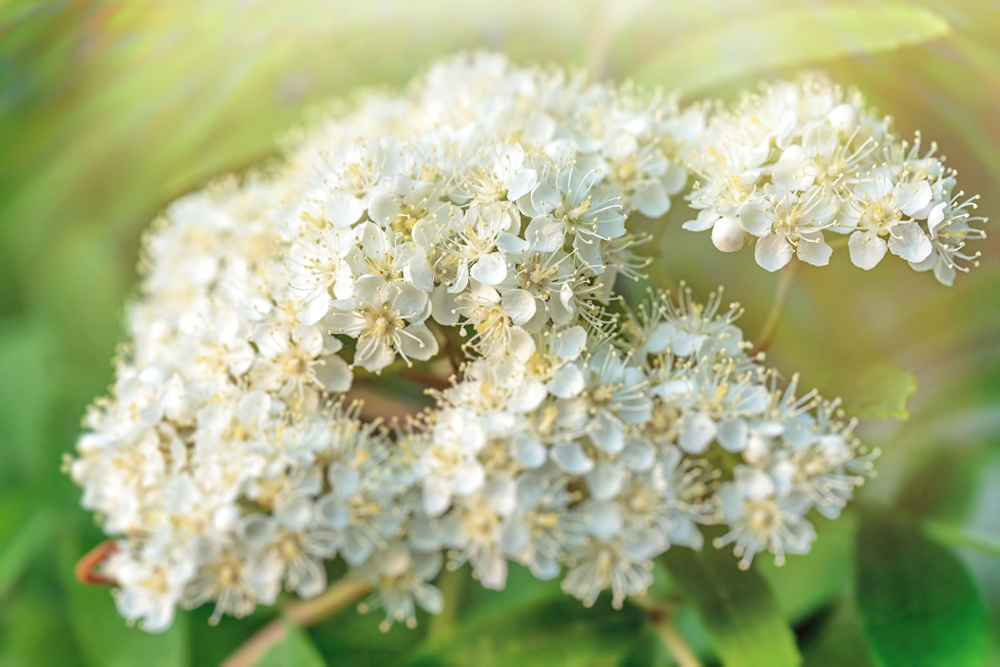
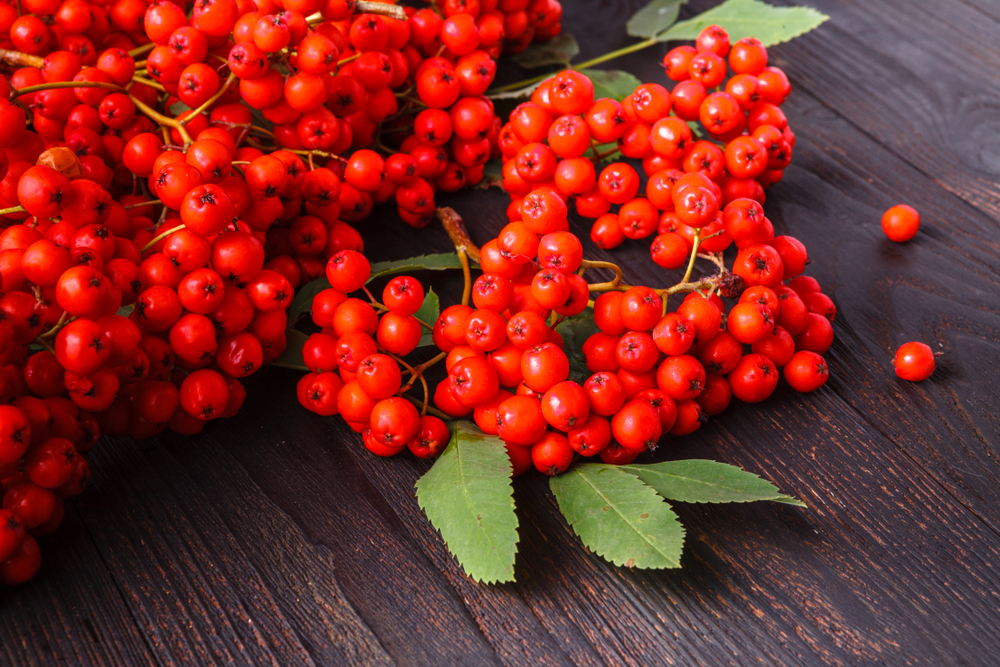
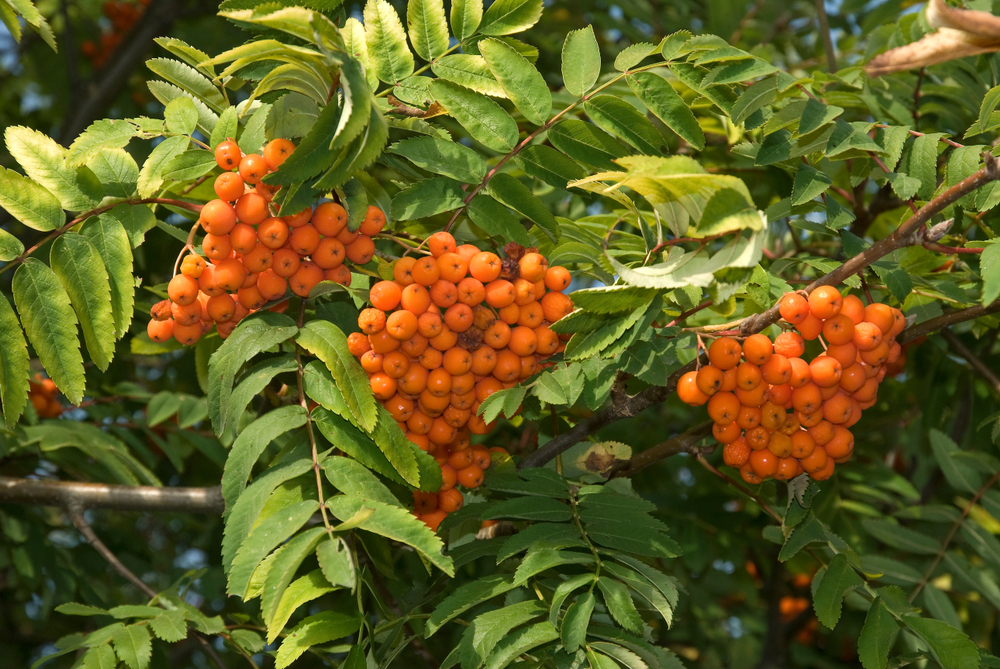
The mountain ash is often called the “birdberry” for a good reason—birds absolutely love them! By planting one of these trees, you’re basically setting up a high-end buffet for your local feathered friends. If your tree is in the perfect spot, those iconic red berries usually start appearing in August, growing from beautiful flower clusters.
One of the coolest things about these berries is that they often hang onto the branches well into the winter. This makes the tree a vital “winter pantry” for birds when other food sources get scarce. But a quick heads-up: while birds can feast on them all day long, you shouldn’t eat them raw. The berries contain parasorbic acid, which can cause an upset stomach, nausea, or vomiting if eaten straight off the branch. It’s especially important to keep curious toddlers away from the raw fruit.
How to Use and Process the Berries
The good news is that you can actually enjoy these berries if you process them correctly! Drying or cooking the fruit breaks down that bitter acid, making them safe to eat. Once dried, mountain ash berries are great for brewing tea or adding a unique flavor to desserts and even spirits. As long as your tree is healthy and the root system is well-established, you can expect a bumper crop of fruit every year.
Here are a few popular ways to use the berries:
- Jellies and jams
- Rowanberry brandy or schnapps
- Herbal tea
You can also harvest and dry the berries to save for the birds later. Whether you’re putting them out for wild birds during a snowstorm or giving them to your pet birds at home, they’re a fantastic nutritional boost. Plus, they look great! Try hanging a small branch of dried berries in a birdcage—it’s a healthy treat that doubles as natural decor.