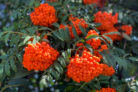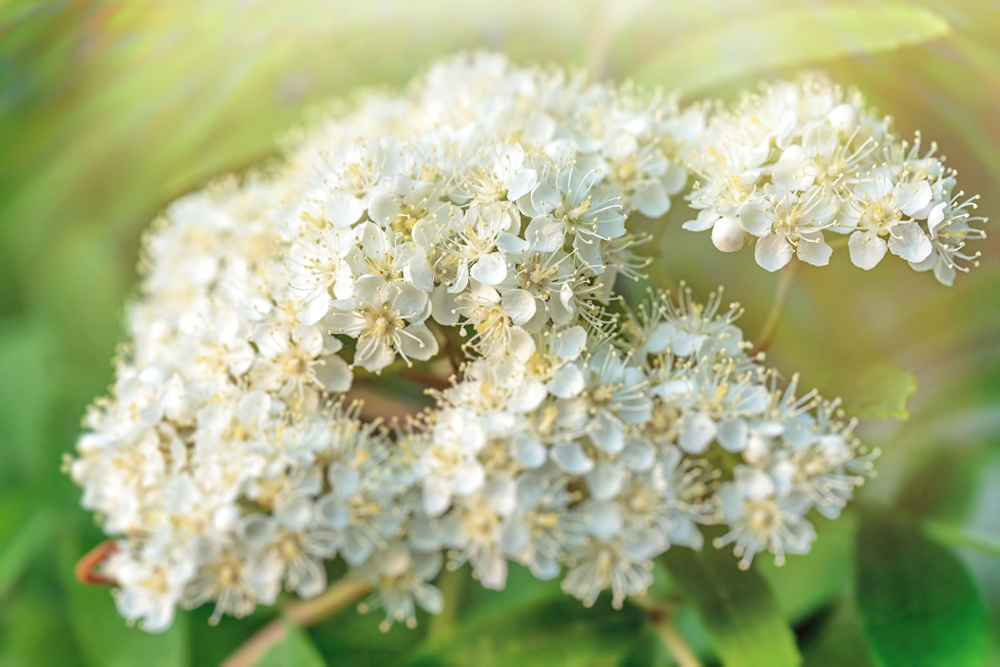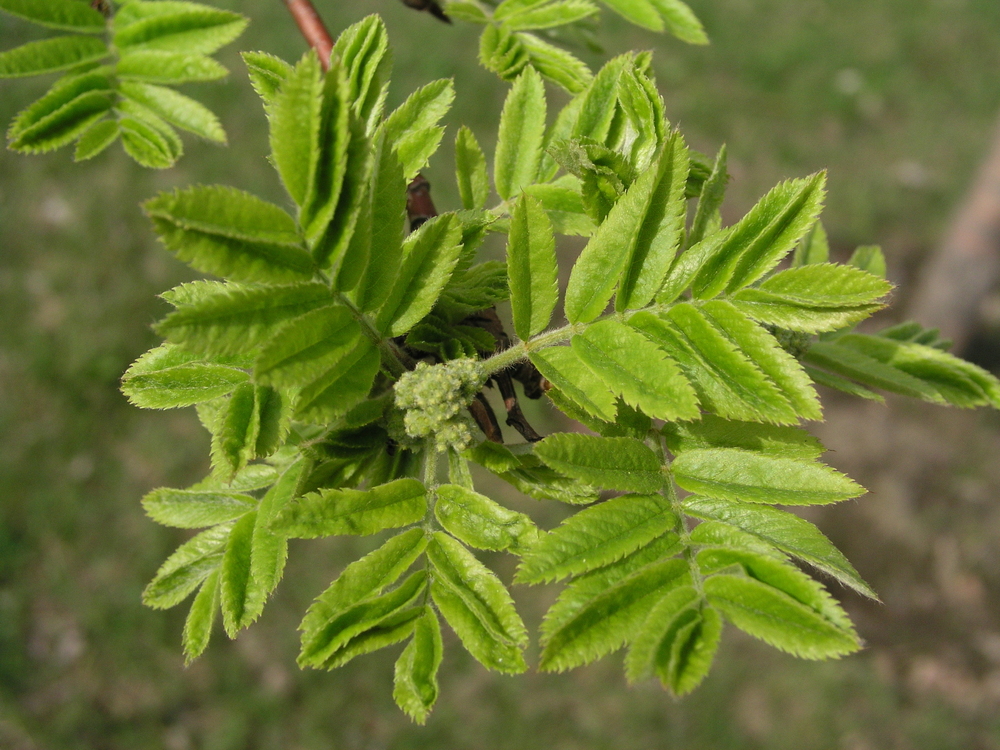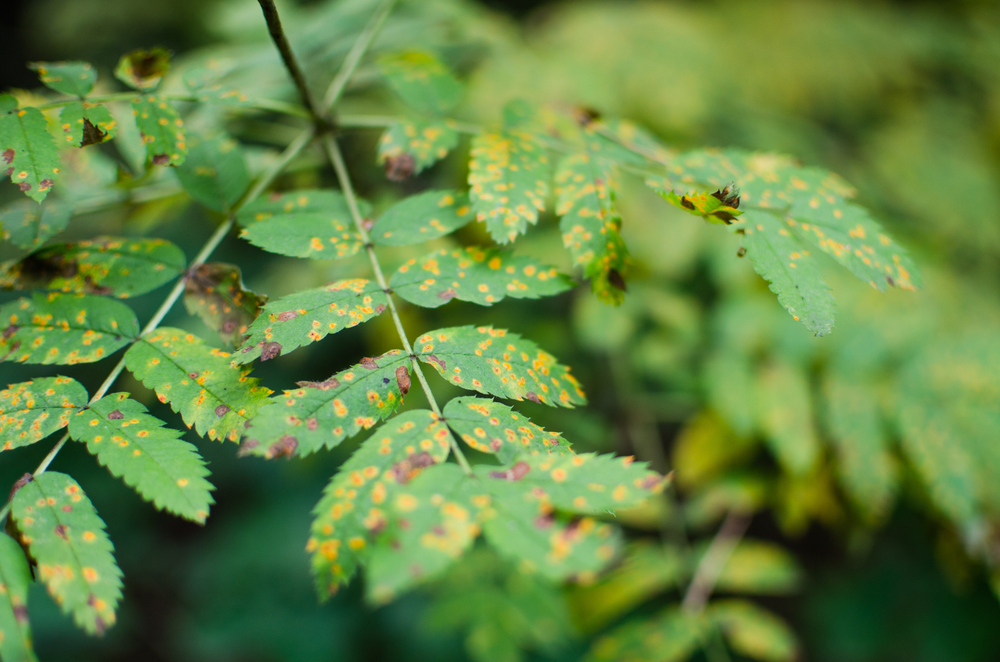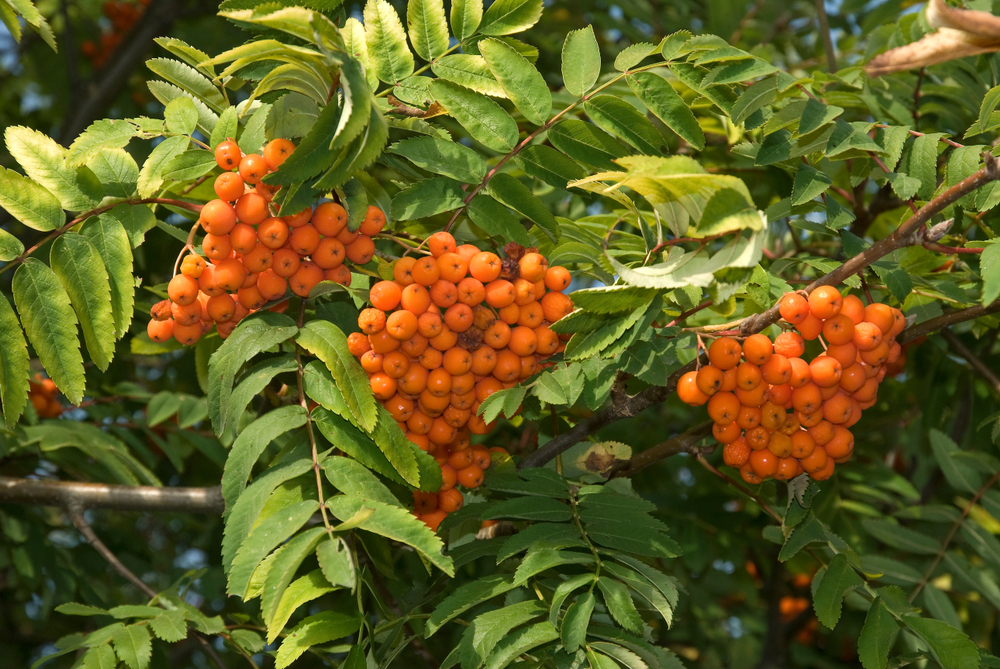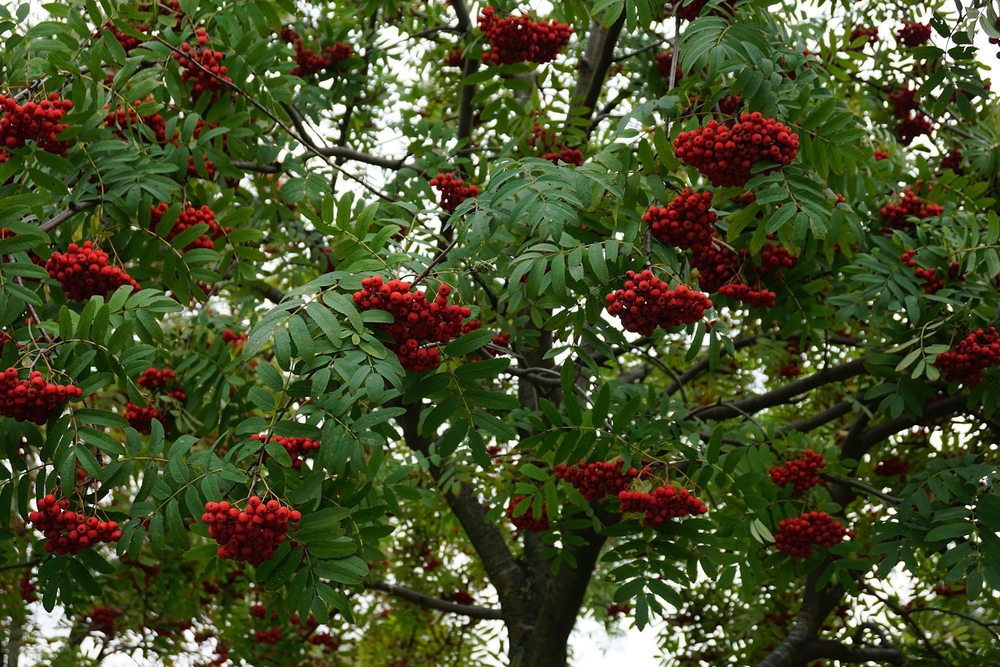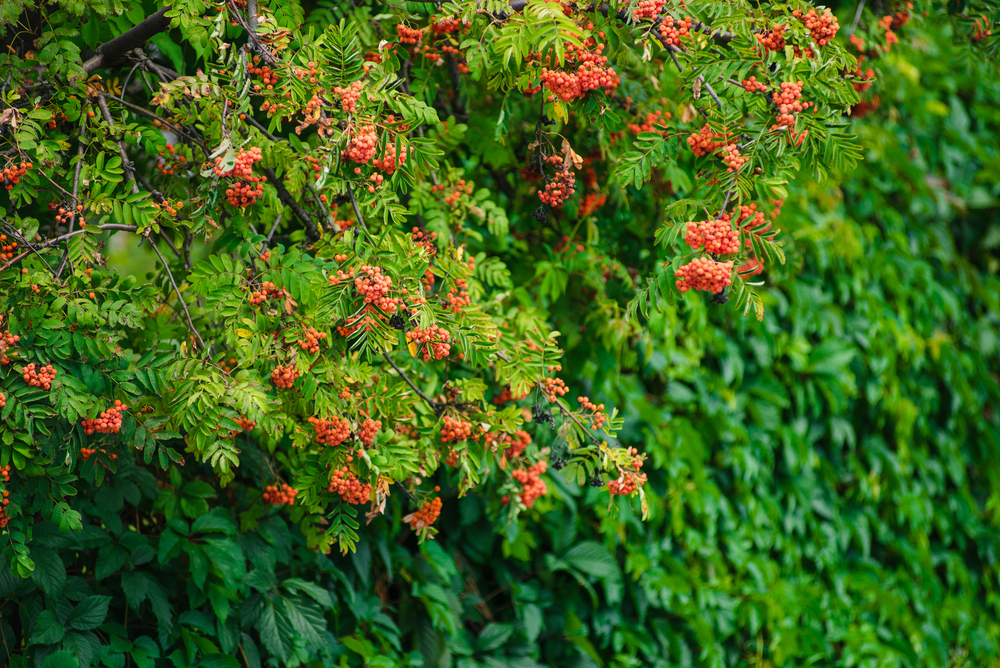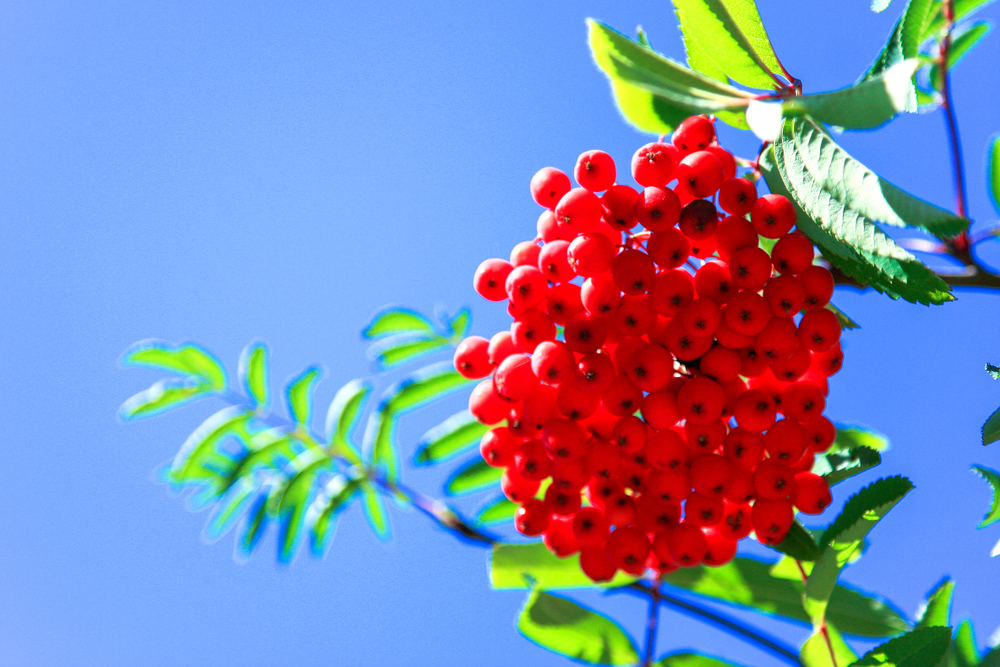
The fruits of the mountain ash—better known as rowan berries—are a real standout in the garden. From late August all the way through winter, these trees are decked out in clusters of brilliant red-orange berries. If you’ve ever wondered what to do with them (or if they’re even safe), here’s the lowdown on everything you need to know.
Rowan Berries: Beautiful Decor and a Lifeline for Birds
The mountain ash might blend into the background for most of the year, but it really steals the show once those red-orange berries arrive. Starting in late summer, usually around August, the tree becomes covered in heavy, decorative clusters that look amazing in any landscape.
But these berries aren’t just for show, even though they look great if you decide to plant a mountain ash in your yard. Because the fruit stays on the branches well into the winter, it serves as a vital food source for our feathered friends.
When food gets scarce during the cold months, birds rely heavily on these berries. That’s one of the main reasons gardeners are encouraged to plant them more often. Even pet birds consider them a delicacy! You can harvest and dry the berries yourself to mix into birdseed or serve as a treat all year round.
Are Rowan Berries Edible? (Yes, with a Catch!)
There’s a common myth that rowan berries are poisonous, but that’s not strictly true. However, you definitely shouldn’t eat them raw right off the tree. They contain parasorbic acid, which can cause a nasty upset stomach. You probably wouldn’t want to eat more than one anyway—they are incredibly bitter!
Kids, seniors, and pets (other than birds) should avoid eating them raw entirely. The good news is that cooking neutralizes the acid, making the fruit perfectly safe to enjoy. You can use them to whip up:
- Herbal tea,
- Marmalade,
- Jelly, or
- Juice.
The fermentation process also breaks down the bitter acids, which is why you’ll find specialty spirits like rowan berry brandy or schnapps. These are considered a real treat for connoisseurs, though their tart, earthy flavor is definitely an acquired taste. Pro tip: If you want a milder flavor for your kitchen projects, try harvesting the berries after the first frost!