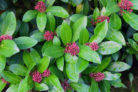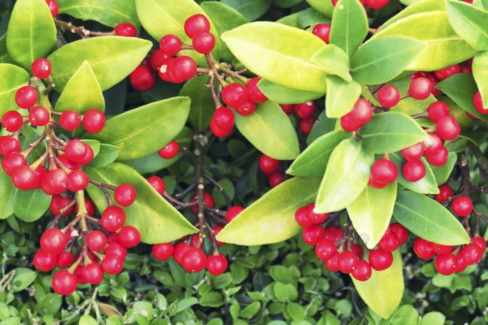
If you’re growing a Skimmia, the last thing you want to see is yellowing leaves. Not only does it ruin that lush, vibrant look we love, but it’s also a major sign that your plant is stressed. In a perfect world, these shrubs stay deep green year-round, so if yours starts turning yellow, it’s time to play garden detective.
Skimmia: The Evergreen All-Star
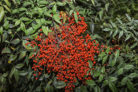
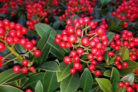
Hailing from the mountain forests of Japan, the Skimmia (botanically known as *Skimmia japonica*) is a true evergreen. Because these plants are incredibly hardy, they keep their green foliage even when the temperature drops well below freezing. If you have a female plant, you even get the bonus of bright red berries to brighten up the winter landscape.
Now, it’s totally normal for a Skimmia to shed a few leaves as it ages. Before an old leaf drops off to make room for new growth, it will turn yellow. As long as it’s just a few leaves here and there, don’t sweat it—the plant will push out fresh new growth during the summer growing season.
Why is my Skimmia turning yellow?
If the yellowing is spreading across the whole plant, you’ve likely got a bigger issue on your hands. Here are the most common culprits:
- Too much direct sunlight or very dry air
- Soil that is constantly waterlogged or too alkaline (high lime content)
- Sudden, drastic temperature swings
- Nutrient deficiencies (specifically Chlorosis)
Prevention is the best medicine
The secret to a happy Skimmia starts with the right location. These plants love bright light but absolutely hate direct afternoon sun. If your plant is currently baking in the sun, it’s never going to thrive—your best bet is to transplant it to a shadier spot. They actually make great companions for pine trees, which provide the perfect dappled shade and help keep the soil acidic. Aim for a soil pH of around 5.0, and try to water with rainwater rather than hard tap water to keep that acidity stable.
Here are a few more pro-tips to keep the yellow away:
- High pH levels often block the plant from absorbing iron and magnesium (Chlorosis).
- If you suspect a deficiency, use a targeted iron fertilizer to green things up.
- Keep up with regular fertilizing to prevent general nutrient depletion.
- Keep the soil consistently moist, but never soggy.
Quick Tip:
Skimmia does great in containers! Just keep in mind that pot-grown plants are a bit more sensitive. You’ll need to be extra diligent with your watering and feeding schedule, as they can turn yellow much faster than plants in the ground.