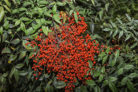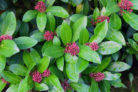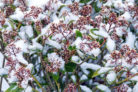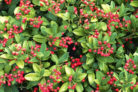
Skimmia is an incredibly slow grower. You might find yourself wondering: if I keep taking the shears to it, will it ever actually get bigger? While it’s tempting to just leave it alone, skipping the trim altogether isn’t great for the plant’s long-term beauty. The secret is all in the timing and technique!
Keep it light: Only prune what’s necessary
Originally from the mountain forests of Japan, these shrubs rarely top 5 feet in our gardens. They take their sweet time getting there, too, growing only about 2 to 6 inches per year. Because they aren’t exactly speed demons, you’ll want to keep your pruning to a bare minimum so the plant actually has a chance to fill out.
- Stick to thinning out branches (this keeps the shape looking natural).
- Never do a “hard prune” or cut it back to the ground.
- Don’t worry about formal shaping; it’s not necessary for this plant.
- Do remove dead wood (otherwise, the plant can start looking sparse and leggy).
- Snip off side shoots at the base.
- Trim back any rogue branches that are growing in an awkward direction.
Pro Tip:
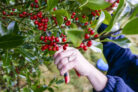
Make sure to wear gardening gloves when you’re working. Skimmia is toxic, so you’ll want to keep your hands protected.
Managing the blooms
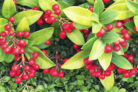
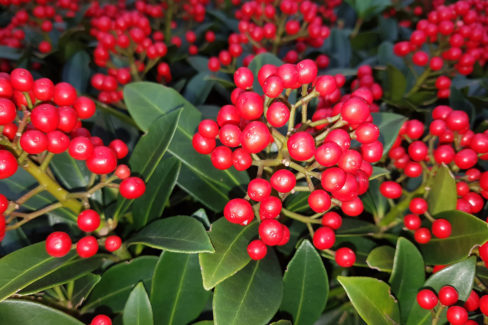
Every Skimmia plant carries both male and female flowers. If yours is happy in its ideal spot, it’ll likely produce a ton of them. However, only the female flowers turn into those gorgeous, bright red berries. Many gardeners choose to leave the female flowers alone and snip off the male ones once they start to fade. This keeps the plant looking tidy and saves energy for berry production.
Timing is everything: Prune during bloom
The best time to reach for your shears is during the flowering season, usually around May or June. This is actually the easiest time to tell the flowers apart: the male blooms have a heavy, intoxicating scent, while the female flowers don’t smell at all. You can thin out the branches at the same time you’re tidying up the blossoms.
Taking cuttings
If you want to grow more Skimmia, you can take cuttings in the spring or late summer. Look for green, healthy stems at least 6 inches long that don’t have any yellow leaves. Cut the stem at an angle and remove any buds, flowers, or lower leaves. Stick them in moist, humus-rich soil in a warm spot to help them root. Just keep in mind that these youngsters aren’t fully winter-hardy yet, so they’ll need to spend their first winter indoors.