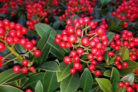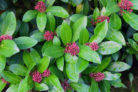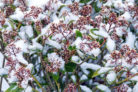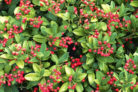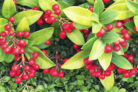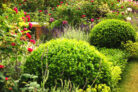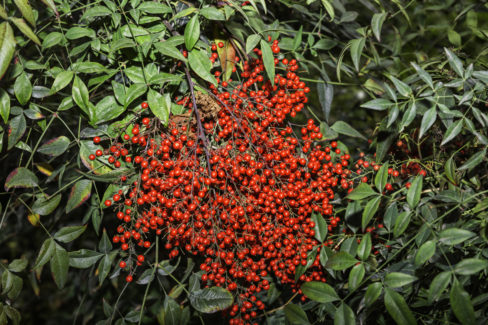
The Skimmia is a real garden workhorse, showing off dense evergreen foliage and a bounty of blooms that eventually turn into those iconic, bright red berries. But let’s be real—producing all those leaves and berries takes a lot of energy! To keep your Skimmia looking its best, a little nutritional boost goes a long way. If you’re wondering when and how to feed this garden favorite, I’ve got you covered.
Feeding Skimmia in the Ground
If your Skimmia is planted directly in your garden beds, you’re in luck—they are pretty low-maintenance when it comes to food. Good old homemade compost is usually all they need to thrive. During the main growing season (from April through September), aim to give them a healthy serving of compost every 4 to 8 weeks. Just spread it around the root zone and gently scratch it into the top layer of soil.
Not a composter? No problem. A thick layer of bark mulch or even grass clippings works wonders too. Spread a generous layer around the base of the plant; as it breaks down, it releases nutrients slowly and helps the soil retain moisture. Bonus: a mulched Skimmia doesn’t need to be watered nearly as often!
Other Great Fertilizer Options
Skimmia can be a bit picky about pH—they love acidic soil, much like Rhododendrons. Because of this, any fertilizer you use should be low in lime. In fact, a specialized Rhododendron or Azalea fertilizer is a perfect choice. You can also have great success with:
- All-purpose granular fertilizer (like Blaukorn)
- Horn shavings or bone meal
- Homemade compost tea (comfrey or nettle)
- Used coffee grounds
Pro Tip:
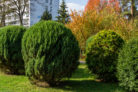
Try planting your Skimmia near evergreens or conifers. As the needles drop and decompose, they naturally keep the soil pH in that acidic “sweet spot” the Skimmia loves. Check out more on the ideal planting location here.
Caring for Potted Skimmia
For Skimmia living in containers, liquid fertilizer is the way to go. It’s super easy—just mix it into your watering can every 2 to 3 weeks. Slow-release fertilizer spikes are another great “set it and forget it” option. Even though your Skimmia keeps its leaves and berries all through the winter, this hardy plant needs a break from feeding during the cold months. Stop fertilizing once fall hits to let the plant rest.
Take a Break After Repotting
You should generally give your potted Skimmia a fresh home in a new pot every two years. Since fresh potting soil is already packed with nutrients, you don’t need to add any extra fertilizer right away. In fact, overdoing it can lead to yellowing leaves, so let the new soil do the work for the first few months!