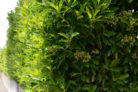
Hedges are a go-to choice for homeowners looking to define their property lines. But let’s be real: they can also be a fast track to a neighborhood feud if you aren’t careful! Before you start digging, it’s always a smart move to check your local zoning laws and HOA regulations regarding height and placement. While most people reach for privet, arborvitae, or cherry laurel, have you ever considered something a bit more “fruitful”? Yes, you can actually plant apple trees as a hedge!
Growing an Apple Tree Hedge
Planting an apple tree hedge might not be the most traditional choice, but there’s absolutely no reason not to do it. One of the best parts? Pruning a hedge is pretty straightforward. Even if you’re a total gardening newbie, you can’t really mess it up—apple trees are hardy enough to bounce back even if your trimming is a little uneven. Just keep in mind that if your main goal is privacy and a clean property line, you shouldn’t expect a massive harvest. If you were planting for maximum fruit production, you’d need to use much wider spacing.
Avoiding the “Fence Feud”
If you don’t follow the local guidelines for boundary plantings, you might find yourself in a sticky situation with the folks next door. Legally, there’s often a big difference between a “privacy hedge” and an “orchard.” If you’re wondering whether your neighbor is planting a hedge or starting a farm, here are a few tell-tale signs:
Fruit Hedge or Fruit Orchard?
- Hedges are usually planted very close together so the branches can intertwine and create a thick screen. Trees meant for high fruit yields need a much larger planting distance between them.
- Hedges typically run along the entire length of a property line.
- If you see several different varieties of apples, that’s a sign they’re looking for a harvest. Apple trees rely on cross-pollination; if you only plant one variety, the chances of getting fruit are pretty slim.
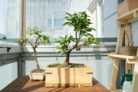
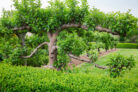
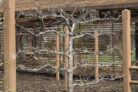
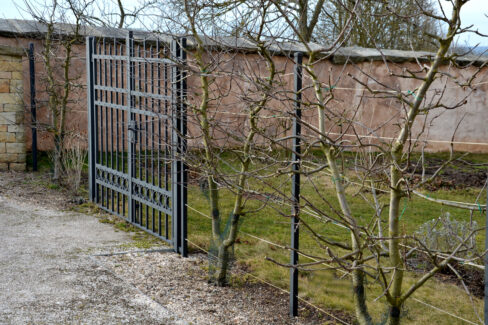
- Seeing stakes or supports next to the trees? That’s a classic sign they are being grown as espalier trees (trained to grow flat against a frame).
Pro-Tips Before You Plant
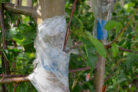
Before you grab your shovel, make sure you research “setback” rules—how far from the property line your plants need to be. It’s also crucial to pick the right variety. The final height of your tree depends heavily on the rootstock it was grafted onto. Some trees can grow way larger than you’d expect, which is a recipe for frustrated neighbors and blocked views. Do your homework first, and you’ll have a beautiful, unique hedge that everyone enjoys!