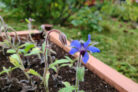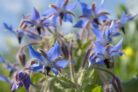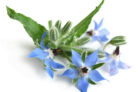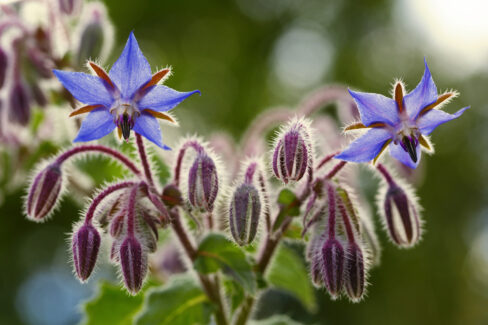
Borage (scientifically known as *Borago officinalis*) is one of those fantastic “two-for-one” plants—it’s a delicious edible herb that also puts on a gorgeous floral show. But here’s a little secret: if you’re planning a traditional herb garden where everyone huddles together, Borage might want to opt out. It’s not that it’s antisocial; it just has very specific tastes when it comes to its living situation!
Plenty of Sun, Not Too Much Wind
Borage originally hails from the Mediterranean, so it’s basically a sun-worshipper by nature. To keep it happy in your neck of the woods, you’ll want to find the most “vacation-vibes” spot in your garden—somewhere that gets direct, soaking sunlight for most of the day. While it can handle partial shade, consider that your Plan B. Since Borage can get a bit leggy, a spot sheltered from the wind is ideal so those long stems don’t snap. If it’s a bit breezy, you can always stake them for support. Planning on a balcony garden? Just make sure to use a deep pot when planting your borage, because this plant grows a long taproot that needs plenty of legroom.
Pro Tip:
If you’ve got the perfect sunny spot, why not plant a few extra? If you end up with more than you can eat fresh, you can easily dry your borage for the winter or even freeze it for later use.
The Perfect Soil for Borage
Unlike many of its Mediterranean cousins that thrive in poor, rocky soil, Borage is a bit of a “hungry” plant. It loves nutrients and needs a steady supply of moisture (it doesn’t handle droughts very well). Here’s what the ideal soil looks like:
- Loose and well-draining
- Rich in organic matter/nutrients
- A pH level between 6.6 and 7.5
If your soil is a bit too heavy or clay-like, mix in some sand before sowing your seeds. And if your dirt is looking a little tired, a healthy dose of compost will work wonders.
Finding the Right Neighbors
Because Borage loves rich soil and plenty of water, it doesn’t always play nice with other herbs that prefer drier, leaner conditions. Plus, since it can grow up to 30 inches tall, it has a habit of overshadowing its smaller neighbors. I’d recommend keeping it out of the dedicated herb spiral or bed—especially away from parsley and chives, which it really doesn’t get along with. Instead, Borage is a fantastic companion for veggies like cucumbers, zucchini, and strawberries. And honestly, with those stunning blue flowers, it looks right at home in a decorative flower bed, too!