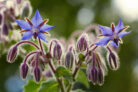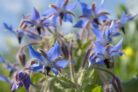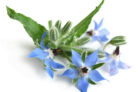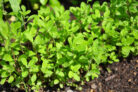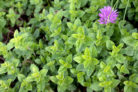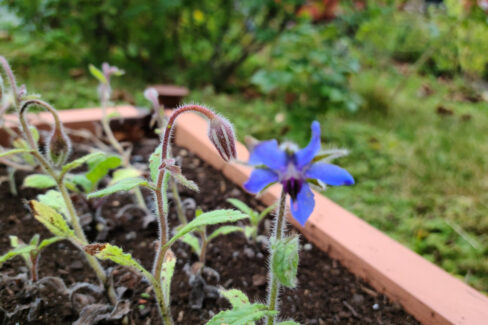
Borage is a bit of a rebel in the herb world. With its stunning, star-shaped blue flowers, it can easily hold its own against any ornamental flower in your garden. The best part? It’s incredibly low-maintenance. Borage doesn’t ask for much—it just needs an invitation to move in. Once it finds a spot it likes, this annual herb has a clever way of becoming a permanent resident.
The Perfect Spot for Borage
So, where exactly should you plant your borage to get those leaves bursting with that signature cucumber flavor? Here is the lowdown on the ideal location:
- Full sun to partial shade
- Deep, well-loosened soil
- Moist but well-draining ground
- Nutrient-rich and lime-heavy soil
- A pH level between 6.5 and 7.5
Direct Sowing Your Borage
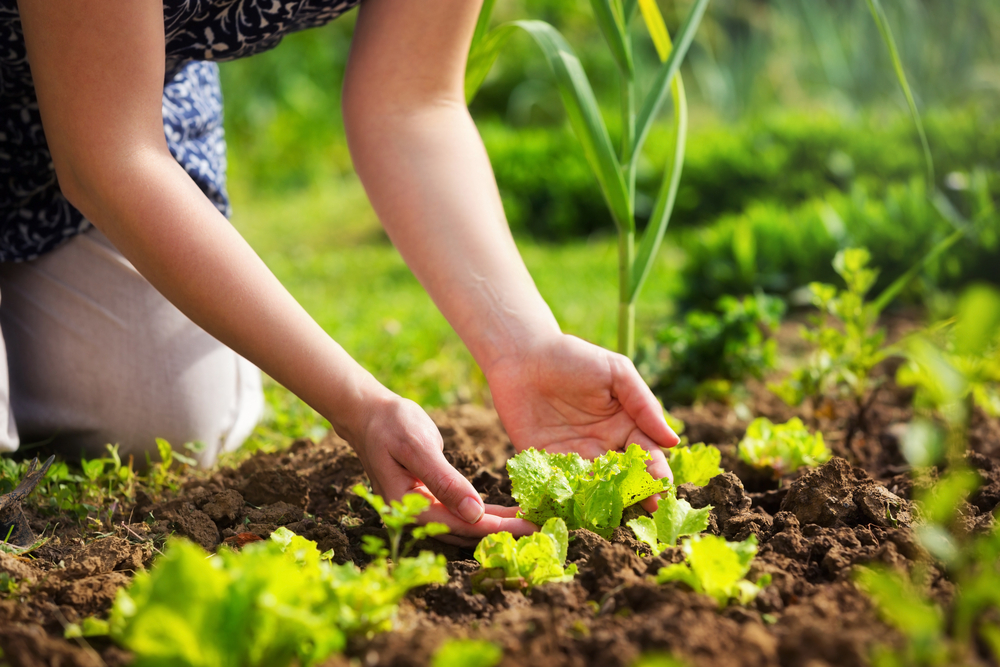
Since borage is an annual, it grows from seed every year. Don’t bother starting these indoors; they grow so fast that it’s just not worth the extra work. Your best bet is to sow the seeds directly into their permanent home between mid-April and mid-May. If you’re running a bit late, you can still plant them up until early June.
- Sow seeds broadcast-style or in rows spaced 15–20 inches apart
- Cover with about 1/2 to 1 inch of soil
- Keep the soil consistently moist
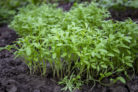
- Expect sprouts within 5 to 14 days
- After about four weeks, thin the plants to 6–10 inches apart
Pro tip: If you leave a few spent flowers on the plant to go to seed, borage will happily (and successfully) replant itself for next year!
Caring for Your Borage
If you’ve planted your borage in nutrient-rich soil, you can skip the fertilizer—it doesn’t need it. Your main job is to keep an eye on the moisture. On hot, dry days, give it a drink to keep the soil moisture steady. Also, keep an eye out for weeds; it’s best to clear them out early so your borage doesn’t have to compete for space.
Choosing the Right Neighbors
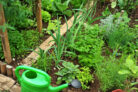
Even though borage is technically an herb, it doesn’t always play well with others in the herb spiral. Smaller, less competitive herbs like parsley or chives shouldn’t be planted too close. Borage can easily reach 30 inches in height and will quickly shade out its smaller neighbors. Instead, plant it near cucumbers, strawberries, cabbage, or zucchini—they make much better companions.
Harvesting Starts as Early as May
You can start a modest harvest as soon as the plant has grown a few healthy leaves. However, the prime harvest window is from May through September. This is when the herb is in bloom and packed with healthy nutrients. Once the flowering is totally over, it’s time to stop harvesting. Remember: the younger the leaves, the more tender they are. And don’t forget—those beautiful flowers are edible too!
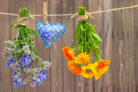
Borage is fantastic when eaten fresh, especially in salads or as a key ingredient in traditional herb sauces. If you have a bumper crop, you can definitely save some for later. Air-drying or using a dehydrator is a great option. If you’re short on time, freezing is even easier, though keep in mind the leaves will be a bit mushy once they thaw.
Quick Tip:
Try drying the flowers! They add a gorgeous pop of color to any herbal tea blend. The coolest part? Once you pour hot water over them, they plump back up and look just like fresh blossoms again.