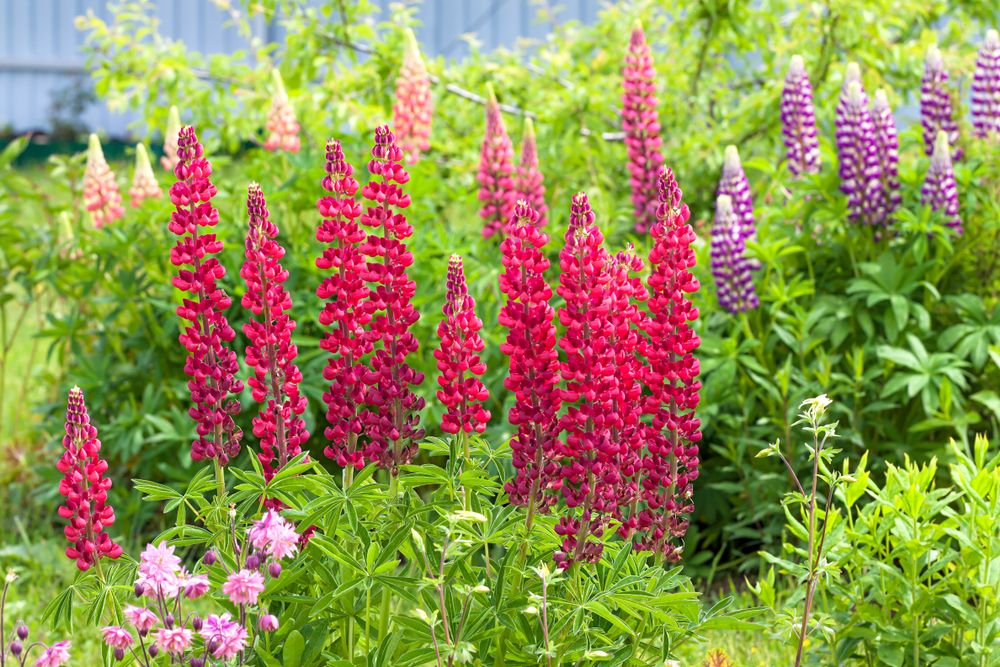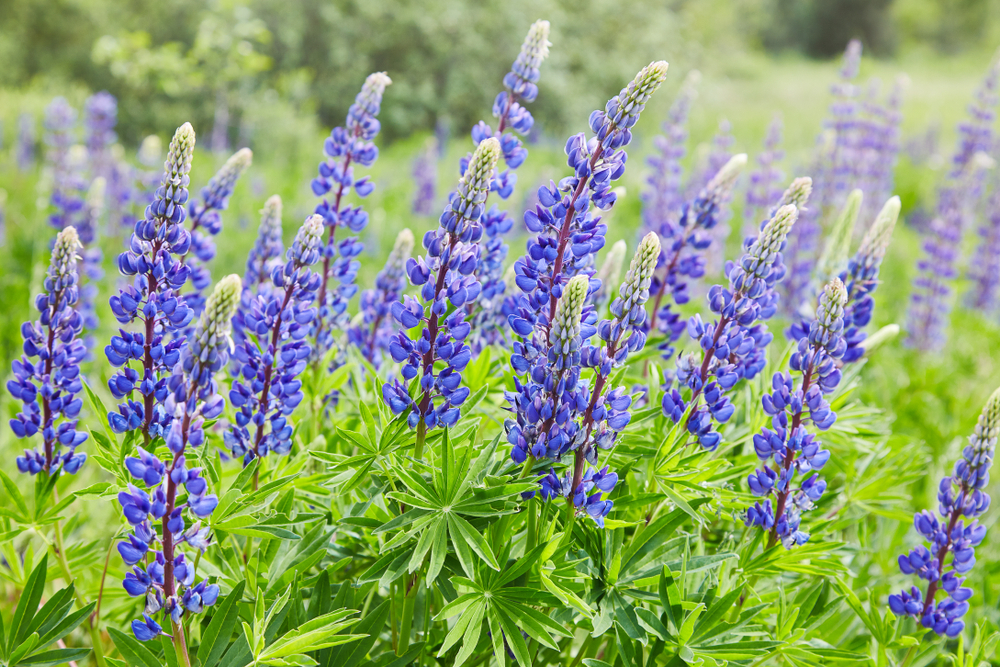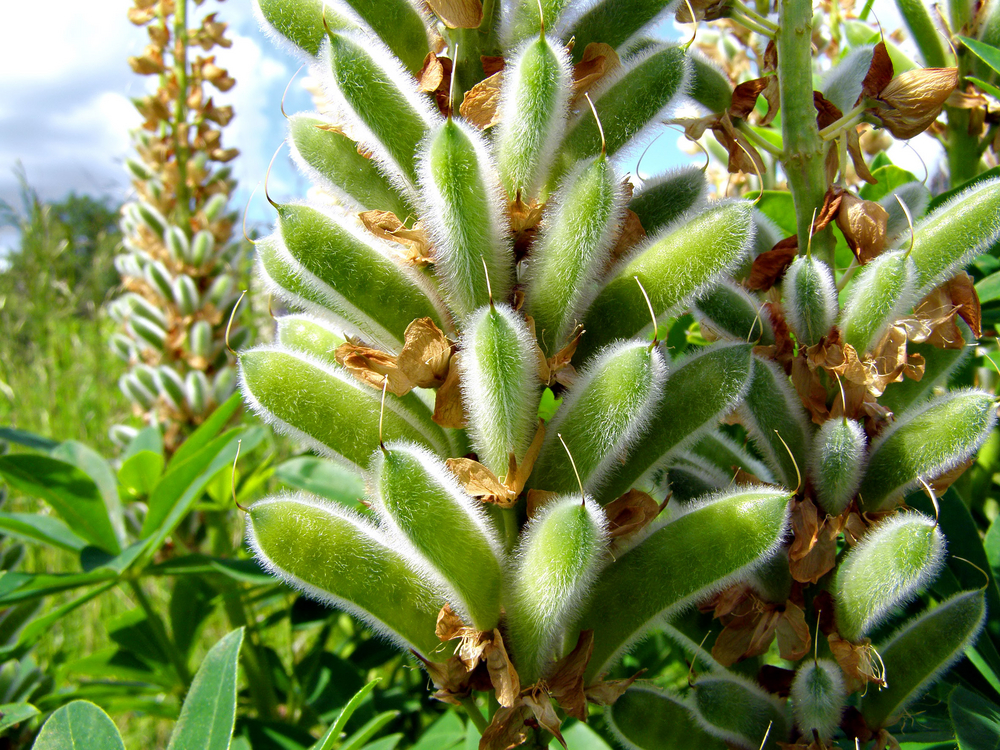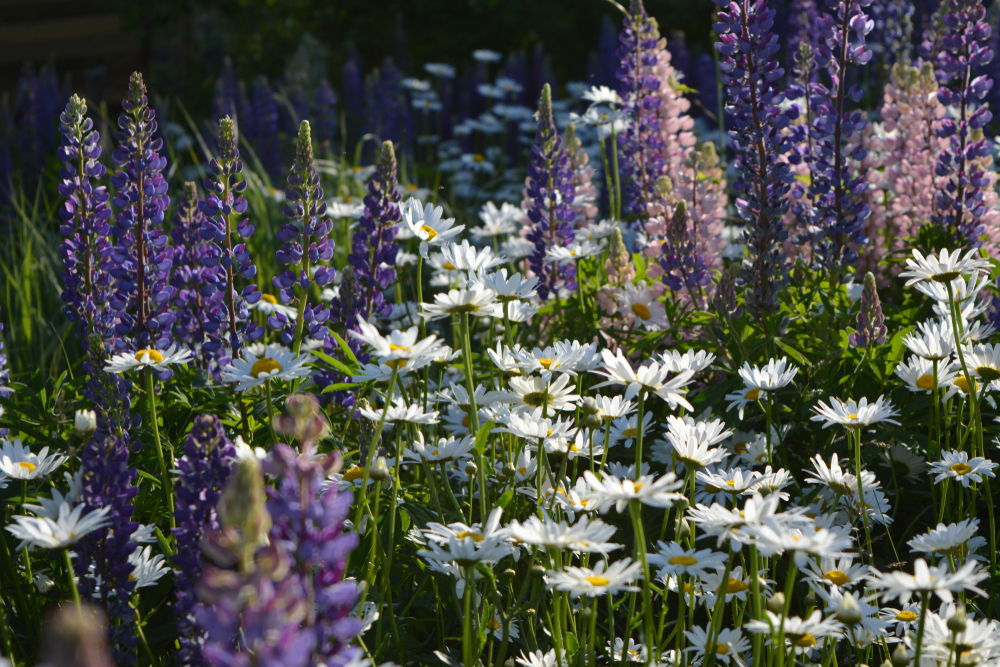
With their stunning, unique flower spikes, lupines are a total favorite for many gardeners. They’re a classic perennial that adds a huge pop of color to any backyard. The best part? They’re actually pretty low-maintenance and don’t ask for much. However, if you want your lupines to really thrive and look their best, there are a few tips you should keep in mind.
The Best Time to Plant
When it comes to timing, lupines are a lot like other perennials. Ideally, you’ll want to get them in the ground in early fall. This gives them plenty of time to establish a strong root system before they start blooming the following spring. If you’ve bought pre-grown plants from a nursery, you can also plant them in the spring.
Location and Soil
The most important thing for lupines is light—they absolutely love the sun! Make sure to pick a spot in your garden that gets plenty of sunshine. You’ll also want to find a place that’s sheltered from the wind; those long flower spikes are beautiful, but they can snap easily if a strong gust hits them. As far as soil goes, lupines aren’t very picky and can actually do quite well in nutrient-poor dirt. The main thing is drainage. They hate “wet feet,” so make sure the soil is loose. If your soil is heavy or holds too much water, try mixing in some sand. When planting them in your garden, give them some breathing room—about 20 inches (half a meter) between each plant is perfect.
How to Plant Them Right
To get started, dig a hole deep enough so the entire root system sits comfortably below the soil surface. Be careful not to bend or snap the roots while you’re at it! Once the plant is in, fill the hole back up and gently pat the soil down. If you’re dealing with heavy clay, remember to mix in that sand we mentioned earlier. For the first few weeks after planting, give them a drink of water every day. Once they’re established, you won’t need to water them nearly as often.
Growing Lupines in Pots
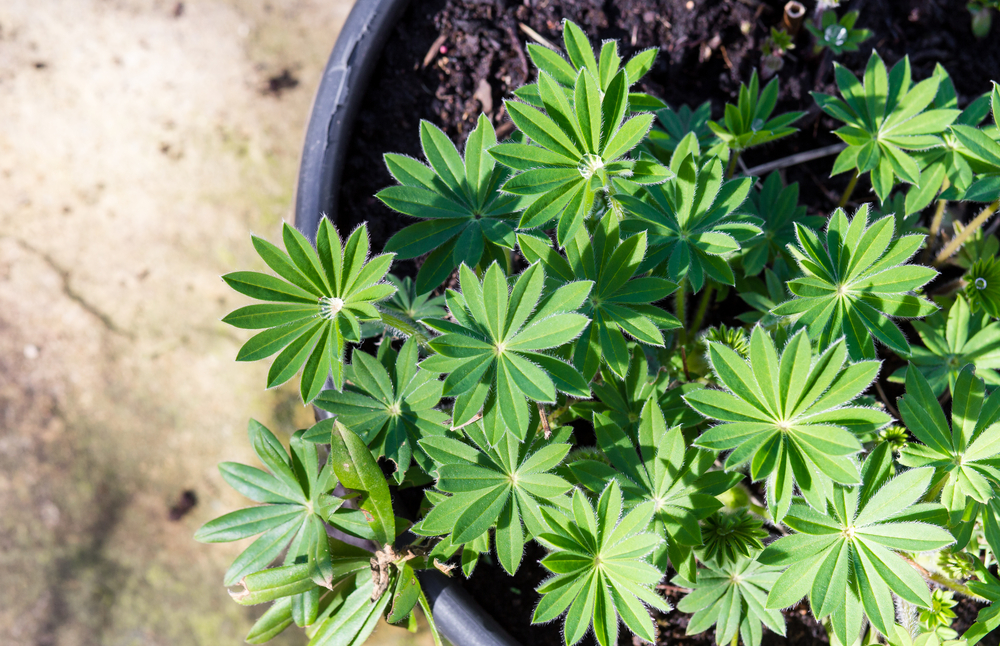
Because lupines grow long taproots, they aren’t always the best candidates for containers. If you really want to grow them in a pot, stick to dwarf varieties. You’ll also need a very deep pot to give those roots and flower spikes enough room to develop. Just a heads-up: if you’re growing lupines in pots, you’ll need to give them some extra protection from hard freezes during the winter months.
To recap, here’s what your lupines need to stay happy:
- A sunny spot protected from the wind
- Loose, well-draining soil
- About 20 inches of space between plants