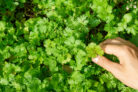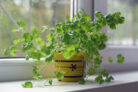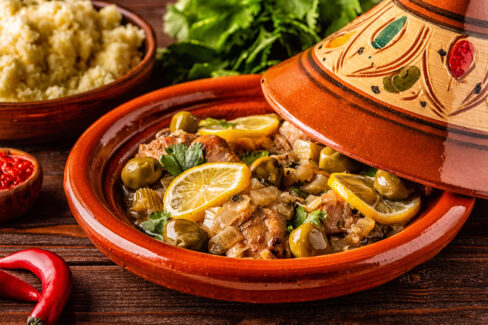
If you love whipping up authentic Asian or Middle Eastern dishes, you definitely need some fresh cilantro growing in your garden. Known scientifically as *Coriandrum sativum*, this herb goes by a few quirky nicknames like “dizzy grain” or “bug weed” in some parts of the world. But have you ever wondered where this kitchen staple actually comes from?
The Roots of Cilantro
Cilantro is originally native to Southern Europe and Asia, and it’s surprisingly hardy for such a delicate-looking herb. While it’s a global superstar today, people have been using it as both a medicine and a spice since at least 5000 BCE. We know the ancient Egyptians and Romans were big fans because archaeologists have found mentions of it on clay tablets and in ancient ruins. It made its way to China around 400 CE, and it’s believed to have landed in Britain around 1066.
Seed Libraries: Keeping Heirloom Varieties Alive
Did you know that “seed libraries” are becoming a huge trend? The movement actually started right here in the U.S. as a response to the rise of genetically modified (GMO) seeds. The goal of these libraries is to save and protect heirloom varieties through propagation, ensuring these tried-and-true plants don’t disappear. Plus, it’s a fantastic way to boost plant biodiversity in our cities!
How Seed Libraries Work
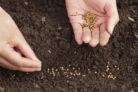
It’s a pretty cool system: home gardeners can “check out” seeds from the library to sow in their window boxes or backyard garden beds. You grow the plants throughout the summer, and once you’ve harvested the mature seeds or flowers, you simply dry them out and bring a portion back to the library for the next person.
Why Use a Seed Library?
The best part is that these libraries promote “open-pollinated” seeds. This means the plants grown from these seeds will have the exact same traits as their parents. On the other hand, hybrid seeds (usually labeled F1) won’t grow “true to type” if you try to reproduce them. By participating, you’re helping keep traditional gardening alive—and you get free seeds to start the process all over again next year!