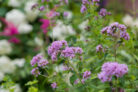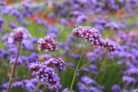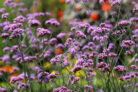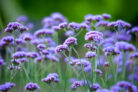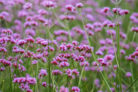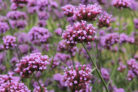
Don’t let their delicate look fool you—verbenas are surprisingly tough cookies! Thanks to modern breeding, these beauties can hold their own even when the weather gets a bit rowdy. Plus, they aren’t exactly “divas” when it comes to where you plant them.
Where do verbenas come from?
The Verbena genus is actually a huge family with over 70 different species. While many of them call South America home, you can find them growing all over the globe. Because they’re so widespread, they come in all sorts of shapes and sizes. Depending on the variety, they can be grown as annuals or perennials.
What’s the best spot for a verbena?
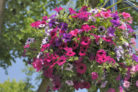
Verbena (sometimes called vervain) absolutely loves soaking up the sun in a warm spot, though it’ll do just fine in partial shade, too. They are pretty resilient against wind and rain, which means you can plant them almost anywhere. They look just as stunning in a traditional flower bed as they do spilling over the side of a balcony box.
What kind of soil do they need?
Even though verbenas don’t mind a summer rain shower, they definitely hate “wet feet” (standing water). You’ll want to make sure your soil drains well. They thrive in slightly moist, loamy soil that’s rich in nutrients. If your soil is a bit thin, don’t worry—you can easily make up for it with regular fertilizing. They’re also pretty tolerant of lime, so you usually won’t need to fuss with the pH levels.
Any tips for container gardening?
Verbenas are fantastic for pots and window boxes, but keep in mind that some varieties can reach up to four feet tall! Make sure you choose a container that’s big enough for the specific type you’re growing. While you don’t necessarily need to prune them back, they do need consistent watering. Use a high-quality potting mix and add a drainage layer at the bottom of the pot. A south-facing balcony is basically paradise for these plants.
Quick Summary:
- Thrives in warm, sunny to partly shaded spots
- Perfect for garden beds, large pots, or balcony boxes
- Prefers well-draining, nutrient-rich, and slightly moist soil
- Cannot handle standing water
- Tolerant of alkaline/lime-heavy soil
- Stands up well to wind and rain
- Usually grown as an annual in most climates
- Blooms from May all the way through October
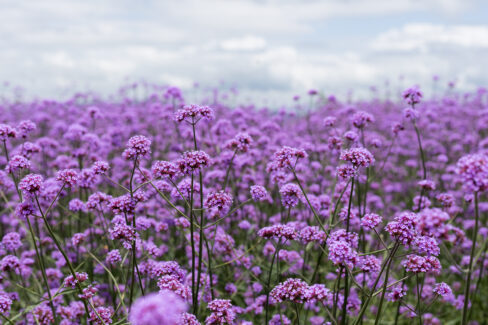
Pro Tip: Some varieties, like the tall Purple Top Verbena (Verbena bonariensis), are great at self-seeding, which is a natural way to help them multiply for next year!