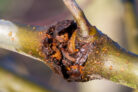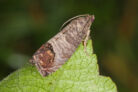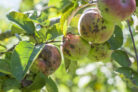
Let’s be honest: we aren’t the only ones who think homegrown apples are delicious. Pests like the codling moth are just as eager to take a bite, and aphids absolutely love setting up shop to suck the sap right out of those leaves. On top of that, backyard orchardists often have to deal with diseases like apple scab, powdery mildew, and various fungal issues. But before you reach for the heavy-duty synthetic sprays, take a breath! You don’t always need harsh chemicals to keep your trees healthy.
Going the Natural Route: Biological Pest Control
Back in the day—up until the 80s, really—some pretty toxic chemical pesticides were used in home gardens without much thought. Thankfully, we’ve learned a lot since then, and the most dangerous substances have been pulled from the consumer market. The truth is, pests and diseases are a part of nature; they’ll show up in even the most pristine gardens. To keep your yard eco-friendly, your first line of defense should always be biological control methods.
Healthy Soil and Hardy Varieties
The secret to a resilient tree starts underground. Fertile soil, underplanting with green manure or cover crops, and choosing the right varieties do about 90% of the heavy lifting for you. Apple scab is one of the biggest headaches for growers, but here’s a pro tip: there are tons of scab-resistant apple varieties available today. When you’re at the nursery, ask for these hardy types—it’ll save you so much trouble down the road.
A Word on Chemical Pesticides
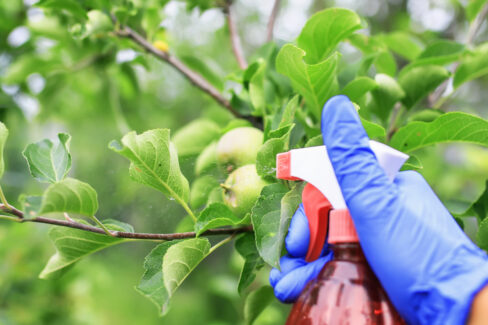
Chemical treatments can be tough on the environment, so they should really be a last resort. If you do use them, make sure they are specifically labeled for home garden use. It’s also super important to follow the instructions to the letter. For example, a spray meant for aphids on roses isn’t necessarily safe or effective for your apple trees. And while “DIY” is usually great, avoid mixing up your own chemical concoctions at home—they can be unpredictable and sometimes even illegal. Honestly, for something like aphids, a sharp blast of water from the garden hose usually does the trick!
Best Practices for Spraying
If you decide to use a treatment, safety is key—not just for you, but for the local wildlife and pets, too. Timing is everything when it comes to application. You definitely don’t want to spray right before a rainstorm, as the water will just wash the product away before it has a chance to work.
Keep these tips in mind for the best results:
- Only apply treatments on days when no rain is in the forecast.
- Keep an eye on the thermometer. If it’s over 77°F (25°C), the product won’t work as well. Avoid spraying in the heat of the midday sun.
- Wait for a calm day. You don’t want the wind drifting the spray onto other plants or into the neighbor’s yard.
- The “sweet spot” for application is usually early morning or late evening.