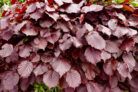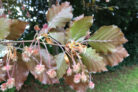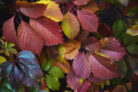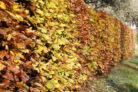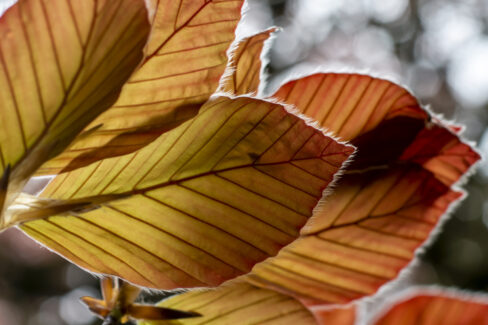
The Copper Beech (also known as the Purple Beech) is a real powerhouse in the garden. Like most members of the beech family, these trees are incredibly hardy and rarely get sick. In fact, if you’ve got yours in the right spot, you’ll almost never have to deal with plant diseases. Usually, it’s pesky insects rather than illnesses that cause trouble.
Want to keep your tree in tip-top shape? Here’s my guide on how to spot, treat, and prevent common Copper Beech issues.
The Right Spot is the Best Medicine
Generally speaking, Copper Beeches aren’t too picky, whether you’re growing them as a stunning specimen tree or a privacy hedge. However, they do have two major deal-breakers: bone-dry soil and “wet feet.”
When choosing a planting site, avoid soil that is too sandy, as it dries out way too fast. On the flip side, you need soil that drains well. If the ground stays soggy, the roots can rot, which is a death sentence for the tree. Balance is key!
Dealing with Fungal Infections
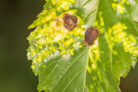
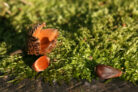
There is one fungus that pops up every now and then: Beech Anthracnose (caused by the *Apiognomonia* fungus). This little troublemaker loves high humidity and rainy summer stretches. You’ll know it’s moved in if you see brownish, wilting leaves.
The good news? It’s usually not fatal. The bad news? It’s an eyesore. You can find various fungicidal sprays at your local garden center to get it under control. Pro tip: Always rake up and bag any fallen leaves—don’t compost them! Getting them out of your yard prevents the spores from sticking around for a sequel next year.
Keeping Pests at Bay
Every once in a while, some uninvited guests might set up camp on your beech tree. The most common culprits are the Woolly Beech Aphid and the Beech Blight Aphid.
Here’s how to play detective:
- Woolly Beech Aphids leave behind long, white waxy filaments (they look like tiny tufts of wool) on the underside of the leaves. If the infestation gets heavy, the leaves will start to curl up and drop early.
- Beech Blight Aphids also cause leaf curling, but you’ll notice dying shoots as well. You can often spot the aphids themselves near sticky secretions on the branches.
If you spot an infestation, here’s your game plan:
- Give the tree a good pruning to remove the worst-affected foliage.
- Carefully gather all the clipped leaves and debris.
- Seal everything in a trash bag and toss it.
- Whatever you do, do not use these clippings for mulch or compost!
A healthy Copper Beech can usually handle a minor pest problem without breaking a sweat. If you prefer the natural route, stinging nettle tea is a classic organic remedy. Of course, if things get out of hand, there are plenty of specialized treatments available at the hardware store to help your tree bounce back.