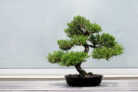
While we usually think of spruce trees as towering forest giants, they are actually fantastic candidates for the art of bonsai! Transforming a spruce into a miniature masterpiece is a rewarding project, but there are a few specific tricks to keeping these little guys happy and healthy.
Choosing the Right Spruce Species
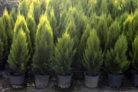
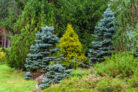
Your standard Norway Spruce is known for its impressive growth rate, which can make it a bit of a headache to keep in a tiny container. Just like when you’re growing spruce in pots, the secret to success is starting with dwarf varieties or species that naturally stay a bit smaller.
Here are some of my favorite picks for spruce bonsai:
- Ezo Spruce: The gold standard in East Asia for bonsai enthusiasts.
- Dwarf Alberta Spruce: Very common and easy to find at local nurseries.
- Sakhalin Spruce: Known for its beautiful needles.
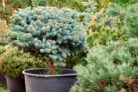
- Colorado Blue Spruce: Offers a stunning silvery-blue hue.
- Dwarf Norway Spruce cultivars: Look for specific “compacta” varieties.
Shaping Your Bonsai
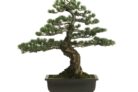
To get that classic “old tree” look, you’ll need to combine strategic pruning with wiring. Wiring allows you to bend branches into more dramatic, artistic positions. Just keep a close eye on them—once the branch “sets” and stays in place on its own, remove the wire so it doesn’t bite into the bark and leave scars. Whether you want a windswept look or a formal upright style, the sky’s the limit!
Bonsai Care 101
During the summer, your spruce bonsai will appreciate a spot with some light shade to protect it from the scorching afternoon sun. They are thirsty little trees, so keep them hydrated and fed. A liquid bonsai fertilizer works wonders here. The “Goldilocks rule” applies to watering: you never want the root ball to dry out completely, but you also don’t want it sitting in a puddle of stagnant water, which can cause root rot.
To maintain that crisp silhouette, stay on top of your pruning. Snip off any “rebel” shoots that grow outside your desired shape, and clear out any dead or thinning branches to keep the interior of the tree healthy.
Repotting and Root Pruning
Every two to four years, your bonsai will need a fresh start. Move it into a new pot with fresh substrate and give the roots a little “haircut.” Trim away any mushy, dried-out, or overly long roots. Shortening the healthy roots is actually a key secret to keeping the tree’s overall size in check.
Winter Protection
Even though spruce trees are famously hardy in the wild, bonsai trees are a different story. Because they live in such a small amount of soil, their roots are much more vulnerable to freezing temperatures. If the soil freezes solid, it can cause permanent damage to your tree.
When winter hits, move your bonsai to a spot shielded from freezing winds. I recommend placing the pot on a piece of wood or Styrofoam to insulate it from the cold ground. You can also wrap the pot in burlap or garden fleece for extra warmth. And don’t forget: even in winter, your tree needs a drink on frost-free days so the roots don’t dry out!