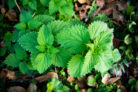
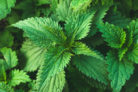
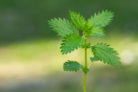
Most gardeners see stinging nettles as a total nuisance—the kind of weed you want to clear out as fast as possible. But if you’re into organic gardening, you might want to look at those prickly plants in a whole new light. While you might not want them taking over your flower beds, they make for an incredible, natural, and (best of all) totally free fertilizer.
Using Nettles as Fertilizer
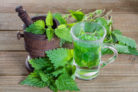
Now, you don’t really want to just toss nettles onto your compost pile. Because they have such a long blooming season, there’s a high risk they’ll go to seed and spread all over your yard. Instead, the smartest way to use them is by making “nettle tea” or liquid manure. Just a heads-up: this stuff is not for the faint of heart (or sensitive noses!). As the name suggests, it gets pretty stinky during the fermentation process.
How to Make Nettle Tea
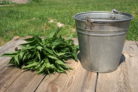
To get a batch going, you’ll need about two pounds of fresh nettles for every 2.5 gallons of water. You can usually find nettles growing wild along the edges of woods, near riverbanks, or in nitrogen-rich meadows. Once you’ve harvested your nettles (wear gloves!), here’s what you do:
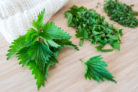
- Chop up the plants into smaller pieces.
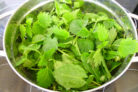
- Place them in a large container and add your water.
- Make sure all the plant material is completely submerged.
- Cover the container with a lid.
Because of the smell, you’ll want to tuck the container in a far corner of the yard where it won’t bother you or the neighbors. Pro tip: Adding a little bit of rock dust or bentonite clay to the mix can help neutralize some of that funky odor.
How to Apply Your Fertilizer
After about two weeks of “brewing,” your liquid gold should be ready. It’s super important to dilute it before using it; otherwise, it’s way too concentrated and could actually burn your plants. Here are the ratios I recommend:
- Heavy feeders (like tomatoes) and established plants: 1:10 ratio
- Light feeders and delicate seedlings: 1:20 ratio
- Lawns: 1:50 ratio
Why Your Plants Will Love It
A lot of organic gardeners swear that nettle tea produces even better growth than store-bought chemical fertilizers. Plus, thanks to the high silica content, veggies like tomatoes, cucumbers, and zucchini often end up with a much richer, more intense flavor. If you’re looking for a sustainable way to boost your harvest, definitely give this DIY fertilizer a shot!