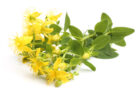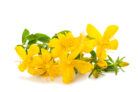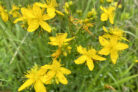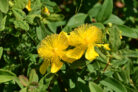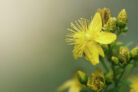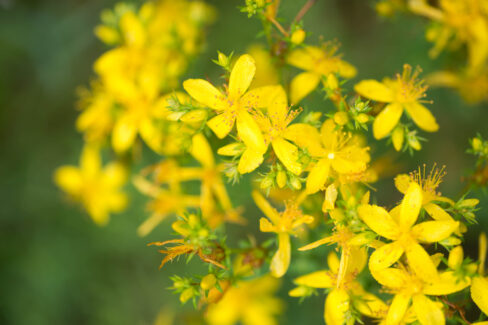
St. John’s Wort is a staple in the world of herbal remedies, famous across Europe and North America alike. Most of us recognize those cheery yellow flowers or have reached for a cup of St. John’s Wort tea to help brighten a gloomy mood. But there is so much more to this little powerhouse than just its reputation as “nature’s antidepressant.” Let’s dive into the details of what makes this plant so special!
Quick Facts at a Glance
If you’re looking to add this perennial, hardy plant to your garden, here’s the lowdown:
- Scientific Name: Hypericum perforatum
- Common Names: Common St. John’s Wort, Perforate St. John’s Wort, Tipton’s Weed, Goatweed, Chase-devil
- Family: Hypericaceae (St. John’s Wort family)
- Origin: Europe
- Natural Habitat: Forest edges, roadsides, thickets, and slopes
- Light: Full sun to partial shade
- Soil: Thrives in anything from poor to nutrient-rich soil; prefers dry conditions
- Growth: Reaches 20 to 40 inches high with roots extending up to 20 inches deep
- Bloom Time: Late June through August
- Harvest Window: May through October
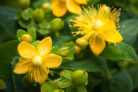
- Leaves: Small, oval-shaped, with smooth edges and tiny translucent “dots”
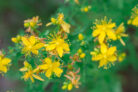
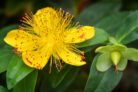
- Flowers: Clusters of bright yellow blossoms
- Fruit: Dark red capsules (about 0.4 inches) containing tiny seeds
- Propagation: Primarily via seeds
- Uses: Medicinal herb for anxiety, stress, and mild depression; topical use for wounds and swelling; also great as an ornamental flower
Key Active Ingredients
The magic happens thanks to two main compounds: hypericin and hyperforin. These work on the central nervous system, giving the herb its well-earned reputation as a gentle, natural mood booster. But that’s not all—herbalists also value it for:
- Tannins
- Flavonoids
Fun fact: You can even use St. John’s Wort as a seasoning in the kitchen, particularly to add a unique touch to fresh dishes!
Foraging in the Wild
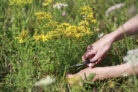
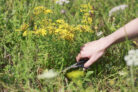
If you’re out foraging, keep in mind that the plant’s potency peaks during its flowering stage, with the highest concentration of active compounds found in the blossoms. You can pick the leaves before or after the bloom, but the seeds aren’t typically used.
St. John’s Wort works great whether it’s fresh or dried. For the best results, harvest the top 8 inches of the stems on a dry morning. You can air-dry them or use an oven or dehydrator at low temps. Once dried, it’s perfect for tea, but you can also process it into salves and tinctures.
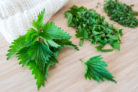
Heads up: There is a risk of confusion with the highly toxic Tansy Ragwort. It is super important that every forager knows exactly how to identify the real deal before harvesting.
Growing It in Your Garden
You can easily grow Common St. John’s Wort right in your backyard. If you’re more interested in looks than medicine, there are other varieties like Tutsan or Creeping St. John’s Wort that make beautiful groundcovers or ornamental shrubs. Depending on the variety, you can propagate them via seeds, cuttings, or root division. Maintenance is a breeze:
- Add a little compost in the spring.
- Give it some water during those scorching summer heatwaves.
- In very cold climates, tuck it in for the winter with some mulch, pine branches, or straw.
Quick Tip:
If you’re growing this specifically for its medicinal properties, don’t go overboard with the fertilizer! Too many nutrients can actually decrease the concentration of its healing compounds.