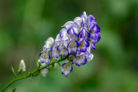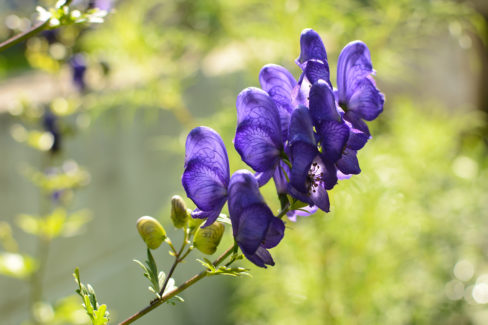
Monkshood (Aconitum) is a protected mountain wildflower that eventually made its way into our backyard gardens. It’s easy to see why—those stunning, helmet-shaped blue blooms are absolute showstoppers and have made it a favorite for perennial borders. But as beautiful as it is, Monkshood hides a dark secret: it is incredibly toxic. If you’re planning to grow it, you need to handle it with extreme care.
The Toxicity of Monkshood
As a member of the buttercup family, every single part of the Monkshood plant contains the deadly alkaloid known as aconitine. To give you an idea of how potent it is, just 3 to 6 mg can be fatal for an adult. What’s even scarier is that the toxin can be absorbed right through your skin. Because the flowers are so eye-catching, kids are often tempted to pick them, so you have to be extra vigilant. If you have little ones or pets running around the yard, it’s honestly best to skip this plant altogether. And for us gardeners? Never touch it without a solid pair of gloves.
Symptoms of Poisoning
While the entire plant is dangerous, the roots and seeds pack the highest concentration of poison. Ingesting even a tiny amount of plant material can trigger severe symptoms almost instantly:
- Within minutes, you’ll feel burning in the mouth and a tingling sensation across the whole body.
- This is followed by heavy sweating.
- A feeling of intense cold sets in.
- Nausea, vomiting, diarrhea, and excessive salivation occur.
- As the poisoning progresses, limbs may feel numb or “dead.”
- Breathing becomes shallow.
- Heart palpitations and irregular rhythms develop.
- Between 30 minutes and 3 hours after ingestion, the system collapses. Tragically, death usually occurs while the victim is still fully conscious.
Monkshood is just as deadly for animals, especially livestock, which is why farmers are so careful to clear it from pastures. If you even suspect that a person or a pet has been poisoned, call emergency services immediately. Every second counts.
Monkshood in Homeopathy
You might have heard of “Aconitum” in the world of homeopathy. In extremely diluted, prescription-only forms, it’s used to treat:
- Chronic pain
- Inflammation
- Fevers
- Flu-like symptoms
- Anxiety and panic attacks
It can be effective for soothing nerve pain or gout and bringing down a fever during a cold. However, these preparations should only be used under strict medical supervision. Please, never try to DIY your own remedies with Monkshood—the risk of accidental poisoning is far too high and can be life-threatening.