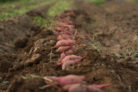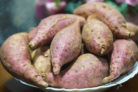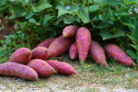
Knowing exactly when to harvest your sweet potatoes depends a lot on how you started them and when they hit the soil. If you overwintered cuttings from last year, you’ve got a head start—those plants usually develop tubers faster, meaning you can get your harvest party started a bit earlier.
How to Spot a Mature Plant
Sweet potatoes can be a little shy about showing they’re ready. Unlike some veggies, they don’t give you a loud signal, but keep an eye on the leaves. When the foliage starts turning a bit yellow, it’s a solid sign that those tubers are big, ripe, and ready for the kitchen. You might even see the plant start to drop its first few leaves. While sweet potatoes are technically perennials, it’s usually not worth trying to keep the whole plant alive through winter. Instead, most gardeners just save the tubers or take fresh cuttings in the fall to start over next year.
Harvesting Starts in September
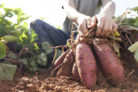
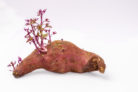
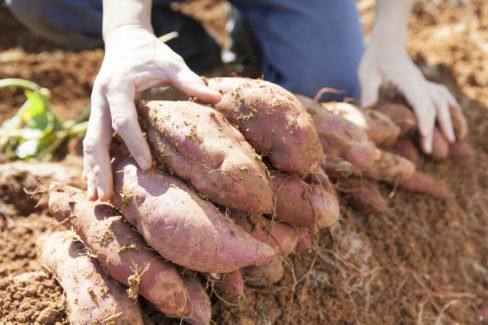
For most of us, harvest season kicks off in September. If you’ve been growing sweet potatoes in containers, you’re in luck—harvesting is as easy as tipping the pot over and gathering your prize. Pro tip: Don’t toss the skinny little tubers! Even if they aren’t big enough for dinner, they are perfect for “chitting” (sprouting) in early spring to create new slips for next season.
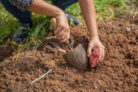
Be gentle when you’re digging them up. Sweet potatoes are part of the morning glory family, and if they get nicked, they ooze a milky sap that is slightly toxic. Don’t worry, though—once they’re cooked, they are 100% safe and delicious. Just keep in mind that bruised or cut sweet potatoes won’t stay fresh as long, so plan to eat those first.
Once they’re out of the ground, it’s actually a good idea to let the tubers cure for a bit. This really brings out the sweetness! You can keep them on your kitchen counter for a few weeks, but if you’re looking for long-term storage, find a spot that’s cool, dark, and dry.
Beat the Frost
No matter how big they are, you must get your sweet potatoes out of the ground before the first frost hits. These plants are South American natives and absolutely hate the cold. Even temperatures hovering right around freezing can turn the leaves to mush.
If you have them in a protected spot—like a sunny balcony or under some garden fleece—you might buy yourself a little extra time. If a surprise frost is in the forecast but warm weather is coming back, you can always move your potted plants into a greenhouse or garage for a night or two to keep them cozy.