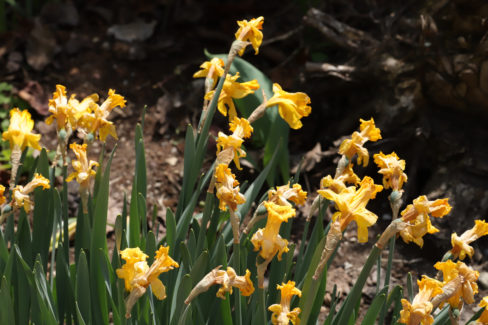
As soon as your daffodils finish their spring show, they start getting ready for their long winter nap. But for us gardeners, the work isn’t quite over yet! Just like you pampered those blooms to get them to pop, a little post-bloom TLC is essential to make sure they come back even stronger next year. Here’s the lowdown on how to handle your daffodils once the flowers fade.
Daffodils are Perennials
Once the blooming stops, daffodils can look a little sad. The foliage turns brown and starts to flop over, and you might be tempted to just toss them in the compost bin. Don’t do it! If you’re patient, these beauties will reward you with another gorgeous display next spring. The secret is giving them the right kind of attention right now. Just follow these simple tips.
Post-Bloom Care Tips
Pruning Your Daffodils
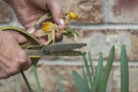
Trimming your daffodils after they bloom isn’t strictly required, but it’s a smart move. By deadheading (cutting off the spent flower heads), you prevent the plant from wasting energy on producing seeds. While this means the flowers won’t self-sow, it allows the bulb to store all that extra energy for next year’s growth and winter survival.
However, don’t get too scissor-happy with the leaves! You need to wait until the foliage is completely brown and dried out before removing it. Until then, the plant is actually pulling vital nutrients from the leaves back down into the bulb. Usually, it’s best to wait until mid-June to clear away the old growth to ensure the bulb stays healthy.
Fertilizing
After the flowers fade, your daffodils are hungry. They’ll appreciate a little boost of fertilizer to recharge. This is especially important for container-grown plants; give them a dose of liquid all-purpose fertilizer to help them bulk back up.
Repotting and Transplanting
If you have daffodils in pots, it’s a good idea to repot them every year. On the other hand, daffodils planted in the ground are happy to stay in the same spot for about 3 to 4 years. If you do decide to dig them up, it’s the perfect time to propagate them. Here’s how you do it:
- Trim away the dead top growth.
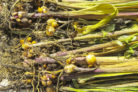
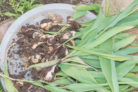
- Carefully dig up the bulb.
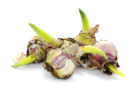
- Separate the “bulblets” (the small baby bulbs attached to the main one).
- Replant the baby bulbs in a new spot.
Pro Tip: You’ll recognize the baby bulbs because they’re smaller than the main “mother” bulb. Dig a hole about 4 to 6 inches deep for the new bulbs. Once they’re in the ground, give them a good soak and add a layer of mulch to keep them cozy.