Once your tulips have finished their show and the foliage has completely withered away, it’s time to dig up those bulbs and tuck them away until fall. To make sure they’re ready to pop back up next spring, you’ve got to store them the right way. It all starts with a proper drying process.
Drying Your Bulbs
Patience is key here: don’t dig up your tulip bulbs until every single leaf has turned brown and dry. The plant is actually busy pulling nutrients out of those leaves and storing them in the bulb for next year. If you can’t stand the sight of dying leaves in your flower bed, you can carefully transplant them to a hidden corner of the garden to finish drying out.
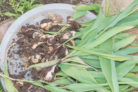
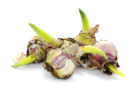
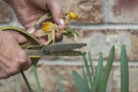
Once everything is totally wilted, grab a garden fork and gently loosen the soil around the bulb cluster. Use a small trowel to carefully lift the bulbs out of the ground. Try to keep as many roots intact as possible. Shake off the loose dirt, snip off the dead leaves, and you’re ready for the prep phase:
- Give them a final cleaning with a soft brush so you can get a good look at their condition.
- Whatever you do, don’t wash them with water! Moisture is the enemy here and will lead to mold and rot.
- Inspect each bulb closely. If you see any bite marks from critters or soft, rotten spots, toss them out.
- Throw any “bad” bulbs in the trash rather than the compost pile to avoid spreading fungi or germs.
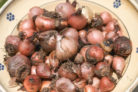
- Lay your clean bulbs out on a wire rack or a piece of sturdy mesh. Make sure they aren’t touching each other.
- Leave the rack in a sunny, breezy spot for a few days.
- The bulbs need to be bone-dry before they head into storage, or they won’t make it through the summer.
Storing Them for the Summer
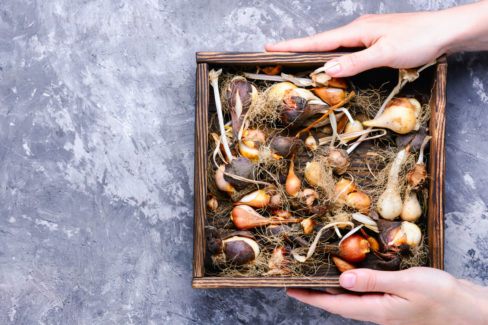
Once they’re nice and dry, you can store your tulip bulbs in a crate filled with dry peat moss, or keep them on a rack individually wrapped in paper. You’re looking for a spot that is cool (ideally between 40°F and 50°F), dry, and has good airflow. A basement, garage, or a cool garden shed usually does the trick.
One pro tip: keep your bulbs away from stored fruits like apples or pears. Ripening fruit gives off ethylene gas, which can trick your bulbs into sprouting way too early. And if you’re storing them in a shed, be sure to cover your crates with fine wire mesh—mice think tulip bulbs are a delicious snack!