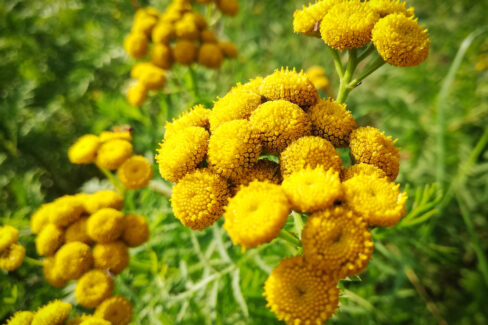
Natural gardening is having a major moment right now, and I couldn’t be happier about it! One of the best parts of this trend is seeing wild plants make a comeback in our backyards. Today, I want to talk about a real standout: Tansy (or *Tanacetum vulgare*).
Everything You Need to Know About Tansy
This vigorous plant, with its adorable yellow button-like flowers, brings a punchy fragrance to the garden that acts as a natural “no vacancy” sign for many pests. Now, a quick heads-up: Tansy is toxic and definitely not for eating. However, when used correctly, it’s a total game-changer for keeping your veggies aphid-free and your flower beds looking pristine.
A member of the aster family, you’ll often spot it growing wild along roadsides, riverbanks, or even in cleared-out areas. As a perennial, it’s incredibly hardy, meaning it’ll breeze through the winter without needing any extra protection from you.
And here’s a fun tip for all you DIYers: Tansy is a fantastic natural dye! If you’re into crafting, you can use it to color wool or fabric, producing beautiful shades ranging from bright sunny yellows to earthy greenish-yellows.
How to Plant Tansy
You can technically sow Tansy seeds year-round, but for the best results, aim for the window between March and August. Simply scatter the seeds directly onto the soil—don’t cover them up, as they need light to germinate. If you prefer starting them in trays, just keep the soil moist and place them somewhere cool but not cold (you’re looking for a germination temperature of at least 50°F). You should see those first sprouts popping up in about two to six weeks.
If you’re looking for a shortcut, propagating from tip cuttings is even easier. Here’s how to do it:
- Snip off a piece of a shoot tip about 6 inches long.
- Make sure your cutting has at least three pairs of leaves.
- Dip the end in some rooting hormone (willow water works great as a natural alternative!).
- Poke a hole in a tray of seed-starting mix first (this prevents the delicate stem from getting damaged) and tuck the cutting in.
- Give the soil a good soak.
- Pop a plastic bag over the top to create a mini greenhouse effect.
- In about two to four weeks, roots will form, and you can move them into small pots.
- Once your young plants look strong and sturdy, you can move them to a nice sunny spot in your garden.
One word of advice: if you have plenty of room, let Tansy do its thing! But if space is tight, you’ll want to install a root barrier, as this plant loves to spread via underground runners. An even easier solution? Just grow it in a large container to keep it contained!