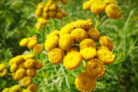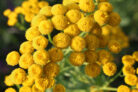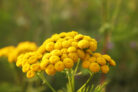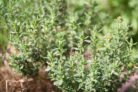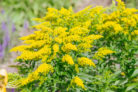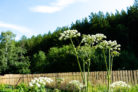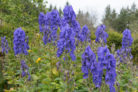
Common Tansy (Rainfarn) is a vigorous, herbaceous wild plant that’s making a real comeback in home gardens lately. While it’s technically toxic, it’s a powerhouse for organic gardeners because you can brew it into a natural DIY pesticide. Just a heads-up: this plant loves to spread via underground runners, so you’ll want to give it plenty of elbow room!
Fast Facts About Common Tansy
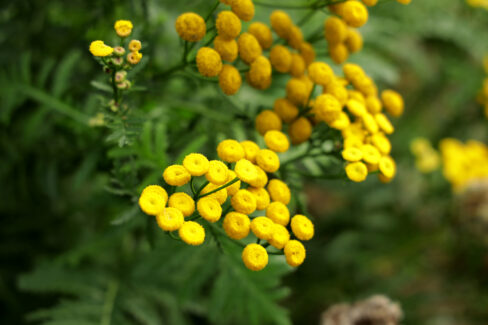
This hardy perennial can reach heights of up to 5 feet, with roots that dive nearly 3 feet deep into the soil. It’s semi-evergreen and pretty easy to spot if you know what to look for:
- Sturdy, angular stems with a greenish-brown tint
- Alternating, feathery leaves that look a lot like ferns
- A very strong, pungent scent (some folks find it a bit much!)
- Flat-topped clusters of bright, cheery yellow “button” flowers
- Blooms from June through September
The Best Spot and Soil
In the wild, you’ll usually find Tansy hanging out in gravelly areas, vacant lots, forest edges, or near stream banks. In your garden, it’ll be happiest in a spacious spot with full sun, though it’s not too picky and can handle partial shade just fine. Ideally, the soil should be nutrient-rich and kept consistently moist. You don’t want it drying out completely during those hot summer months, so keep that watering can handy! Just make sure the soil drains well—Tansy hates “wet feet” (standing water)—and try to avoid soil that’s overly saturated with nitrogen.
One thing to keep in mind before planting: Tansy is an overachiever when it comes to spreading. Thanks to its runners, it can take over a garden bed before you know it. If you have a huge open space, let it go wild! But if space is tight, you might want to install a root barrier or simply grow it in a large container to keep it in check.
Care and Uses
Tansy is about as low-maintenance as it gets. Once it’s established in the right spot, it’ll thrive for years and handle cold winters like a champ—no extra winter protection needed. All you really need to do is cut it back close to the ground in the fall.
Because it grows so vigorously, you can harvest the flowering stems all summer long whenever you need them. These cuttings are the secret ingredient for making a natural tea or “sud” to help fight off garden pests.