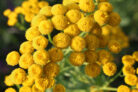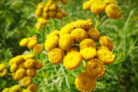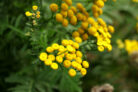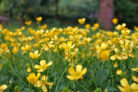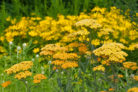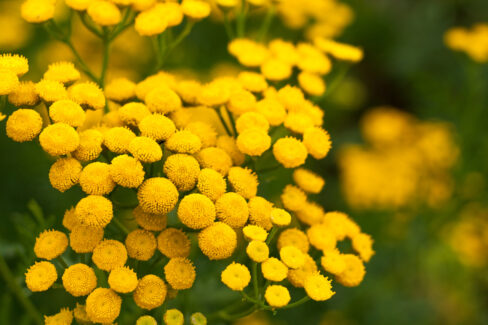
In the summertime, you’ll often spot Common Tansy growing wild in empty lots, along hillsides, or at the edge of the woods. Lately, this pretty—but toxic—wildflower has been making its way into home gardens as a charming ornamental shrub.
Quick Facts & Profile
Before you decide to plant Tansy in your garden, it’s super important to remember that this plant is poisonous. While those bright yellow “button” flowers look amazing in a wildflower bouquet, and the leaves can be brewed into a natural pesticide, safety comes first. Keep this plant away from kids and pets, and always wear a good pair of gardening gloves when you’re handling it to avoid skin irritation.
Here’s a quick breakdown of everything you need to know about Common Tansy:
- Botanical Name: *Tanacetum vulgare*
- Family: Aster (Asteraceae)
- Common Names: Golden Buttons, Bitter Buttons, Tansy
- Growth Habit: Bushy, upright, and forms clumps
- Height: Can reach up to 5 feet (150 cm)
- Hardiness: Very cold-hardy (down to -22°F / -30°C)
- Life Cycle: Perennial
- Foliage: Tough, deeply lobed, dark green leaves
- Flowers: Simple but striking bright yellow buttons
- Flower Shape: Flat-topped clusters (corymbs) made of many tiny florets
- Details: Each flower head has about 100 tiny tubular florets; it lacks the long “petals” (ray florets) you see on daisies
- Bloom Time: July through September
- Seeds: Smooth, five-ribbed, tiny seeds (only 1 mm long)
- Dispersal: Spread by the wind and by animals
- Soil: Prefers fresh, moist, and well-draining soil
- Nutrients: Prefers low-nitrogen soil
- Scent: Strong, spicy aroma (which some people find a bit pungent)
- Light: Full sun is best, but it can handle partial shade
- Uses: Wildflower gardens, flower beds, or as a cut flower
- Garden Helper: Can be made into a tea/spray for natural pest control
- Wildlife: Great for attracting bees
Care and Maintenance
The great thing about Common Tansy is that it’s incredibly low-maintenance. If you give it a sunny spot with slightly moist soil, it’ll happily spread over the years and breeze through even the toughest winters. Just be sure to cut it back close to the ground in the fall. Since it loves moisture, make sure to give it a little extra water during those extra-dry summer stretches.
For very little effort, Tansy rewards you with a lush display and plenty of practical uses. A dried bouquet of Tansy is great for keeping pesky insects out of a room, and some gardeners even put dried leaves in pet bedding to help ward off fleas. You can also spray Tansy tea on your other plants to fight off aphids and downy mildew, or use it as mulch to help keep your soil healthy.