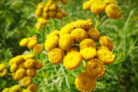
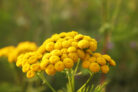
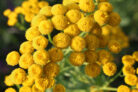
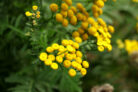
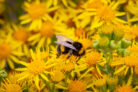
Tansy is a toxic wild plant that you’ll usually spot growing on vacant lots, along forest edges, near creek beds, or even popping up in your own backyard. Whether you use it fresh or dried, it’s a fantastic ingredient for making your own organic pest control right at home.
Drying Tansy
A member of the aster family, tansy is a common sight in the wild. Many gardeners love planting it for its striking height and those adorable, bright yellow “button” flowers. But it’s more than just a pretty face—you can brew a potent spray from its leaves and flowers to ward off sap-sucking insects. You can use the herb fresh from the garden or dried for later use.
To dry this wild herb, snip the stems off at the base and tie two or three together into a small bundle. Hang them upside down in a warm, sheltered spot. In just a few days, the plant material should be completely dry—you’ll know it’s ready when the leaves crumble easily between your fingers. Just a heads-up: since tansy is toxic, you should always wear gardening gloves when handling it.
If you don’t have the space to grow your own tansy but still want to use it for your balcony or patio plants, don’t worry! You can easily find dried tansy for sale online.
How to Use Tansy
Dried tansy bundles can be hung anywhere insects are bugging you. The plant has a very intense, pungent scent that mosquitoes and other pests absolutely hate, making it a great natural repellent.
If you want to use it as a DIY pesticide, you’ll need to brew a concentrated tea. Here’s how you do it:
- Grab about 3.5 oz (100g) of dried tansy (or about 2 lbs of fresh plant material).
- Place it in a pot and cover it with water.
- Simmer the mixture for about 30 minutes to draw out those essential oils.
- Let the brew cool down completely.
- Strain the liquid and store it in a glass jar or bottle.
When you’re ready to use it, dilute the concentrate at a 1:10 ratio with water and grab a spray bottle. Give your infested plants a good misting. This tansy tea works wonders against aphids, whiteflies, downy mildew, and other common garden pests. You might need to apply it a few times to get the job done. If you’re using it in your vegetable garden, just be sure to wait a few days after spraying before you harvest anything.