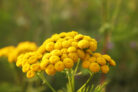
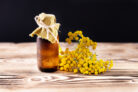
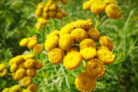
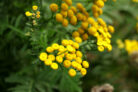
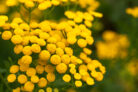
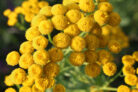
Common Tansy (*Tanacetum vulgare*) is a member of the aster family and is one of those plants that’s as useful as it is pretty. It’s an eye-catching wild perennial known for its clusters of bright yellow, button-like flowers. But don’t let those cute “buttons” fool you—this plant is toxic! While you definitely shouldn’t eat it, it makes for a fantastic natural remedy against sap-sucking garden pests.
Location, Appearance, and Growing Conditions
Tansy is a tough, vigorous herbaceous plant that you’ll often spot growing wild along roadsides, in waste areas, or near riverbanks. It can reach heights of up to 4 feet and features deeply lobed, fern-like leaves that pack a punch in the scent department. That strong aroma comes from a mix of essential oils, including:
- Camphor
- Borneol
- Thujone
From June through September, tansy blooms with flat-topped clusters of those signature yellow flower heads. If you want to grow it yourself, it loves full sun and thrives in warm, nutrient-rich, loamy soil that’s slightly alkaline. Because it contains toxic thujone, it’s strictly off-limits for the kitchen, but it’s a superstar for natural pest control. Growing some in a corner of your garden is a win-win: you get a beautiful flowering shrub and a steady supply of DIY organic pesticide.
The Natural Pesticide
You can easily turn toxic tansy into a powerful spray to ward off biting and sucking insects. It’s great for getting rid of:
- Aphids
- Caterpillars
- Whiteflies
- Flea beetles
- Slugs and snails
- Rust and mildew
It’s also a lifesaver for berry patches! A quick spray can help deter:
- Strawberry blossom weevils
- Strawberry mites
- Raspberry beetles
- Blackberry mites
To use it, you’ll first need to brew a batch of “tansy tea” or decoction. Here’s how you do it:
- Grab your gardening gloves and harvest about 3 lbs of flowering tansy (the flowers hold the highest concentration of active ingredients).
- Fill a large bucket with about 2.5 gallons of water.
- Chop up the plant material and let it soak in the water for 24 hours.
- After the soak, bring the mixture to a boil and let it simmer for about 30 minutes.
- Strain the liquid and let it cool completely.
Once it’s cool, you can load the liquid into a standard hand-pump sprayer and apply it directly to the infested parts of your plants. You can even use it on your veggies—just make sure to wait a while before harvesting and give them a good wash.
Pro tip: If you spray undiluted tansy decoction on your fruit trees in late summer, it works wonders against overwintering pests and any eggs they’ve tucked away under the bark!