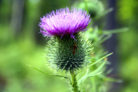
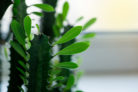
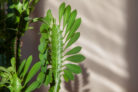
For centuries, the thistle has been a staple in herbal medicine. Unfortunately, thanks to those prickly thorns, most people just write it off as a pesky weed. But if you spot a thistle popping up in your garden, don’t toss it on the compost pile just yet! You might actually want to celebrate—and use it.
What makes the thistle a medicinal plant?
Thistles are true powerhouses when it comes to health. They are known for protecting the liver, boosting digestion, fighting inflammation, and even helping to bring down a fever. The real magic is in the seeds, which are packed with a compound called silymarin. In the medical world, this active ingredient is a go-to for shielding the liver from toxins.
What kind of health issues can thistles help with?
Thistles are fantastic for a variety of ailments, especially when it comes to your digestive system. They’re commonly used to help with liver issues, stomach troubles, gallbladder problems, and high cholesterol. While they are most famous for protecting liver cells, they can also help when you’re feeling exhausted, fighting off a fever, or dealing with a weakened immune system or cardiovascular issues.
How does the thistle affect the human body?
The thistle has a wide range of effects: it aids digestion, calms the system, reduces inflammation, and can help lower both fevers and blood pressure. Of course, the specific benefits depend on which type of thistle you’re using. While all thistles have some healing properties, some are more potent than others depending on the concentration of their active ingredients.
Which ingredients make the thistle so special?
The star of the show is definitely silymarin. This isn’t just one substance, but a complex of four different flavonoids: silychristin, silydianin, and silybin A and B. You’ll find the highest concentration of this complex in milk thistle seeds, though other thistle varieties contain it too. On top of that, thistles are loaded with beneficial mucilage and secondary plant compounds that do the body good.
How can you incorporate thistle into your diet?
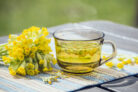
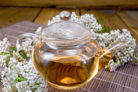
Believe it or not, the thistle is a close relative of the artichoke! You can eat it raw, cooked, brewed as a tea, or taken in capsule form. It’s definitely not toxic, though it does have a bit of a bitter kick. You can cook the young, thornless leaves just like spinach and eat them right up. The closed flower heads can be pickled (just like artichokes), and the stems and roots can be peeled and prepared like asparagus. Even the thistle fruits and the seeds inside are edible.
Which thistle is the most powerful healer?
Milk thistle is widely considered the heavyweight champion of healing thistles. Thanks to its high silymarin content, it’s unbeatable for protecting the liver. However, Sow Thistle and Blessed Thistle are also well-known in the herbal community for their medicinal perks.
Can thistles be used topically?
Absolutely! Thistles aren’t just for eating; they’re great for skincare too. They can be used to treat minor wounds like scrapes and insect bites, as well as surface-level skin irritations. Thistle oil is also a fantastic choice for helping the skin regenerate and stay healthy.
Pro Tip: Thistles as a lifesaver
Milk thistle is so effective that it’s actually used in life-saving medical treatments. It is a standard intervention for poisoning caused by the Death Cap mushroom, which is notorious for destroying the liver.