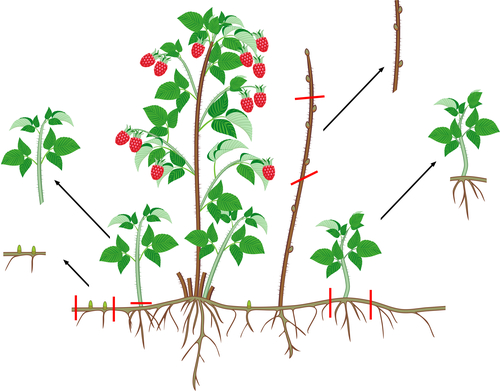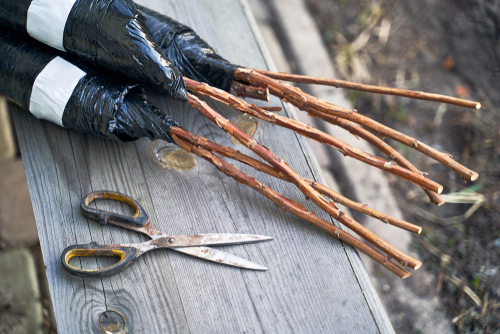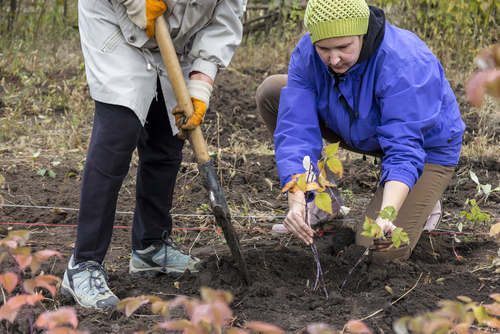
Raspberries are amazing, but let’s be real—they can be a bit pushy! These plants love to spread out, and sometimes they end up popping up exactly where you don’t want them. If your raspberry patch is overstepping its bounds, don’t worry; you don’t have to get rid of the plant entirely. Moving a raspberry bush is actually pretty easy if you know a few simple tricks.
When is the best time to move raspberries?
Technically, you can move a berry bush almost any time of year, but that doesn’t mean you *should*. I always recommend waiting until after the harvest is finished. You definitely want to avoid moving a plant while it’s flowering or loaded with fruit—the stress might be too much for it to handle. Once the berries are gone, the plant can focus all its energy on growing strong new roots. That’s why late fall or early spring is usually your best bet for a successful transplant.
How to dig up your raspberry bush without the drama
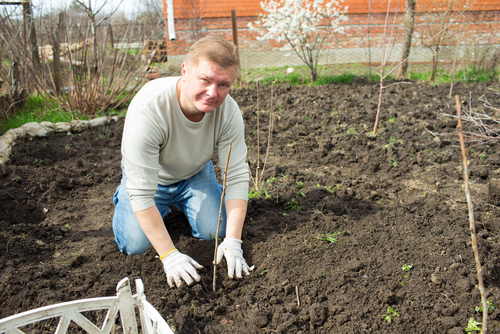
It’s never too late to relocate a raspberry plant; even older, established bushes handle the move surprisingly well. Grab a garden fork or a sharp spade and dig a circle about 12 inches (30 cm) around the base of the plant. Make sure to dig nice and deep so you can get as much of the root system as possible.
Gently lift the bush out of the ground. Your goal is to keep those delicate fine root hairs intact. While you’re busy prepping the new home, stick the root ball in a bucket of water. This keeps the plant hydrated and prevents any “transplant shock” from drying out.
Planting your raspberry the right way
While your plant is soaking up some hydration, it’s time to dig the new hole. You’ll want it to be at least twice as wide as the root ball. This is the perfect time to mix in some aged compost or well-rotted manure to give the soil a nutrient boost. If you’re worried about the plant taking over the yard again, now is the time to install a root barrier (rhizome barrier). Here’s your quick checklist for the finish line:
- Trim back the roots and the canes slightly,
- Set the plant into its new hole,
- Gently firm the soil down around it,
- Give it a very generous watering, and
- Add a layer of mulch to keep moisture in.
Don’t panic if your raspberry bush doesn’t produce a massive harvest the very next summer. It’s totally normal for the plant to take a season to get settled into its new neighborhood. Just give it a little time, and it’ll be back to its berry-producing self before you know it!