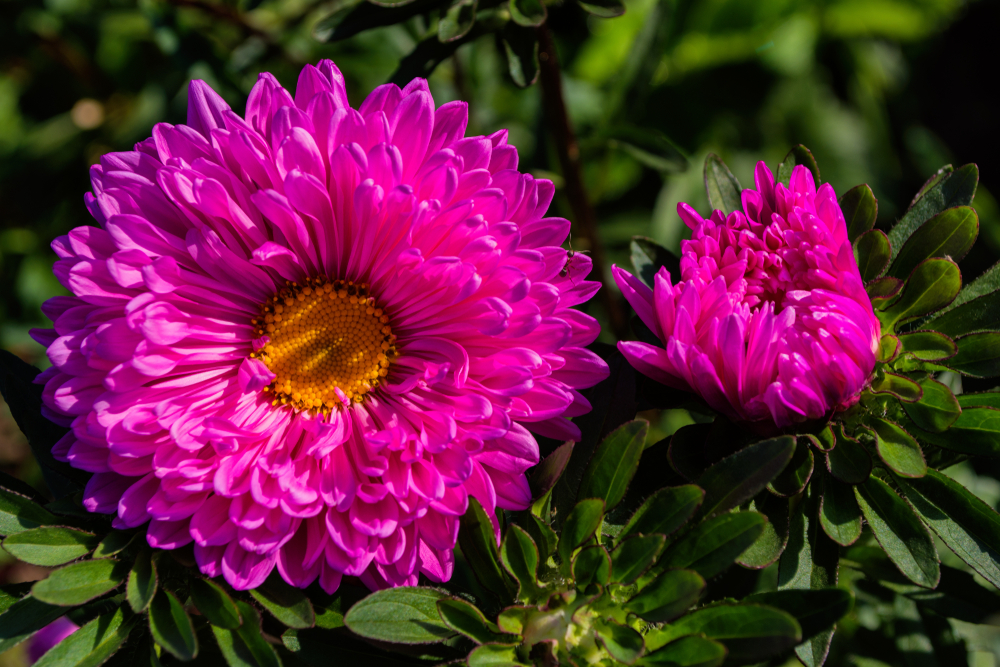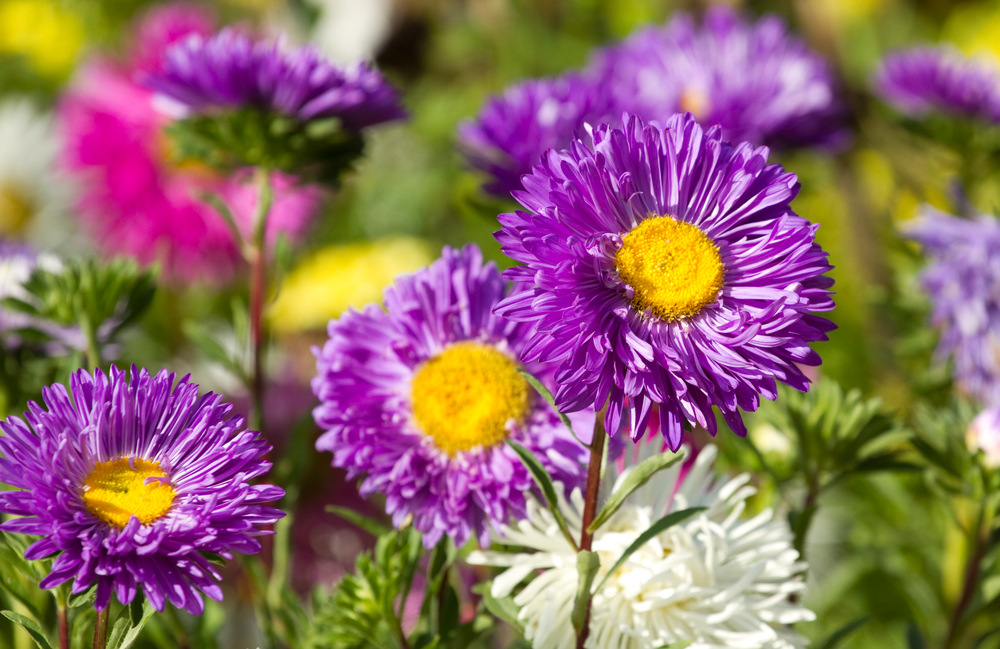
Asters are some of the most beloved, hardworking perennials out there, keeping our gardens looking gorgeous well into the fall. But as these plants age, they sometimes need a little “refresh” in the form of dividing and transplanting. Giving them a new spot or a bit more breathing room helps the plant recharge its batteries so it can come back next season covered in those iconic star-shaped blooms.
Why Your Asters Might Need a Move
When you first tuck asters into your garden, they’re usually small and cute, but they quickly grow into vigorous clumps. If you notice your plants aren’t growing well or the flowers are looking a bit sparse, it might be because their location isn’t ideal—maybe they aren’t getting enough sun. Overcrowding is another big issue; when things get too cramped, growth stalls out. Finally, if your soil has become depleted or compacted, moving your asters to a spot with loose, nutrient-rich earth can work wonders.
Timing and Prep
The best time to tackle a transplanting project is either in the early spring or the fall. Before you start digging, make sure your new garden bed is ready to go. For happy asters, you’re looking for:
- Soil rich in organic matter (humus)
- A sandy-loam texture that drains well
- Plenty of nutrients
- A loose, airy soil structure
- Consistent moisture (damp, but never soggy!)
- A healthy boost of compost
- A nice, sunny spot
How to Transplant Your Asters Step-by-Step
First things first: prep the ground. Clear out any weeds and loosen the soil thoroughly. If your soil is heavy clay, mix in some sand and compost to improve the texture. Once your planting hole is ready, it’s time to move:
- Use a garden fork to gently lift the plant out of the ground, being careful with the root ball.
- If the plant has become a massive clump, now is the perfect time to divide it using a spade or a sharp knife. Just make sure every piece has some healthy shoots attached.
- Trim away any damaged or dried-out roots.
- Set the plant into its new hole at the same depth it was growing before.
- Fill in with soil and firm it down gently with your hands to remove air pockets.
- Give it a good, deep soak with water.
- If you’re moving larger varieties, they might need a stake or support for a little while until they get established and can stand up to the wind.