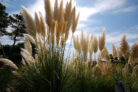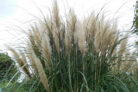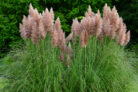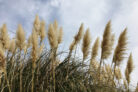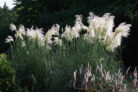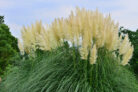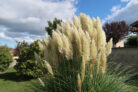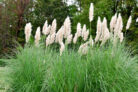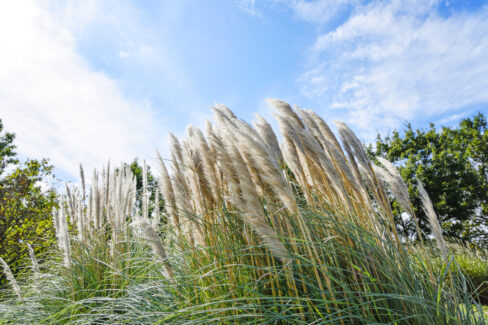
When it comes to exotic plants, we often worry they won’t survive a chilly winter. Luckily, Pampas grass is a bit of a tough cookie. Since it hails from the South American plains, it’s actually used to some pretty harsh winters. That said, if you want your grass to bounce back beautifully next year, you still need to prep it correctly for the cold months ahead.
Why should you tie it up?
You might see neighbors tying their Pampas grass into bundles and wonder why. It’s actually not about the freezing temperatures—this ornamental grass is hardy enough to handle dips down to about 0°F (-17°C) without breaking a sweat. The real enemy here is moisture. If water settles into the center of the plant during a wet, cold winter, it can lead to root rot, which can kill the whole thing. By tying the stalks together, you’re basically creating a natural “umbrella” that keeps rain and snow from soaking the heart of the plant.
How to get the job done
The most important rule? Do not prune your Pampas grass in the fall after the blooming season ends. You’ll want to save the haircut for the spring when you untie it. When you’re ready to bundle it up, make sure to tie it somewhat loosely—you want to protect the center without snapping the stalks. For the best results, use natural materials like:
- Garden twine
- Raffia
- Coconut fiber rope
Safety first!
A quick heads-up before you head out to the garden: Pampas grass doesn’t go down without a fight. By the end of the season, those long leaves are fully developed, which means they are incredibly stiff and razor-sharp. It is very easy to end up with nasty paper-cut-style nicks if you aren’t careful. Always wear a pair of heavy-duty gardening gloves and stick to long sleeves and pants to keep your arms and legs protected while you work.