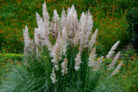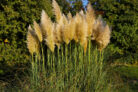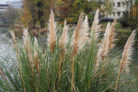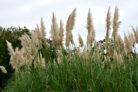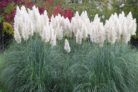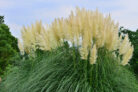
When you first move into a new place and need some quick privacy, pampas grass is often the go-to choice. It grows fast and creates a great natural screen. But what happens when your landscaping goals change and that massive clump of grass just doesn’t fit the vibe anymore? Well, I won’t sugarcoat it—you’ve got some work ahead of you.
Give Yourself Plenty of Time
Removing established pampas grass isn’t just a quick weekend chore; it’s a serious workout. My best advice? Don’t try to do it all at once. Break the job into stages so you don’t burn out. Luckily, the first step is the easiest: the haircut. You’ll want to cut the ornamental grass all the way back, or at least down to a very low height. You can toss the clippings right into your compost pile. If you decide to leave a little bit of the stalks visible, go ahead and bundle them together with some twine.
Now for the Heavy Lifting
Bundling those stalks isn’t just for looks—it gives you a clear path to get your spade into the ground. Depending on how massive the root ball (or “clump”) is, you can either try to dig the whole thing out at once or chop it into smaller, more manageable chunks. Pro tip: this is a million times easier if your soil is loose. If your ground is hard as a rock, wait for a rainy day. Working in damp, softened soil makes it much easier to drive your spade down and pull up those stubborn roots.
Safety First: Gear Up
Before you head out there, let’s talk wardrobe. Even if it’s a scorcher outside, resist the urge to work in a T-shirt. You absolutely need long sleeves, long pants, and a sturdy pair of work gloves. Why? Because pampas grass leaves are notorious for being razor-sharp and surprisingly tough. They will give you a nasty “paper cut” before you even realize it.
When you’re ready to tackle that pampas grass, here’s your game plan:
- Give the grass a major “buzz cut”
- Dig out the root ball either in one piece or in sections
- Always wear protective clothing to keep your skin safe