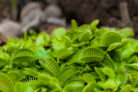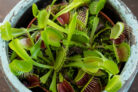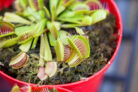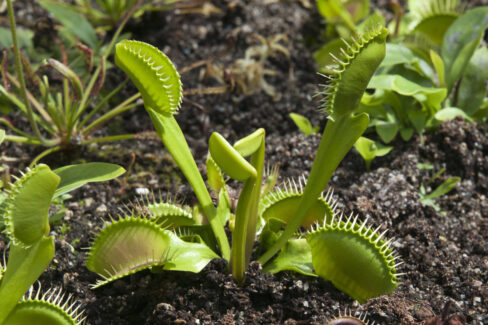
So, you’re thinking about diving into the world of carnivorous plants? Awesome choice! If you’re a beginner looking to grow a Venus flytrap, you’ve probably heard they can be a bit high-maintenance. But don’t worry—once you understand what makes them tick, they’re incredibly rewarding to grow. Here’s everything you need to know about keeping your snappy new friend happy and healthy.
Finding the Perfect Spot
Venus flytraps are actually native to the Carolinas right here in the U.S. In their natural habitat, it’s hot, humid, and pretty swampy. To help yours thrive at home, you’ll want to mimic those coastal conditions as closely as possible:
- Keep temperatures consistent.
- Aim for a sweet spot between 70°F and 90°F.
- Give them lots of sun—a bright, sunny windowsill is a must.
- Aim for high humidity (ideally between 60% and 80%).
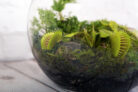
Keep in mind that a standard windowsill might not always provide enough light or humidity, so some growers prefer using a terrarium or a dedicated grow light.
Watering 101
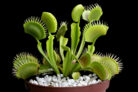
Watering is where most people trip up. The golden rule? Never let the soil dry out, but don’t let the plant drown either. The best method is the “tray method.” Place your pot in a saucer or tray and fill it with about an inch of water.
The plant will soak up exactly what it needs from the bottom. Once the tray is dry, wait a day or two and then fill it back up. Pro tip: Only use rainwater or distilled water. Tap water is usually way too “hard” and full of minerals that will eventually kill your flytrap.
Resist the Urge to Feed It
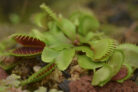
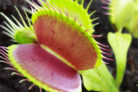
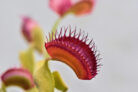
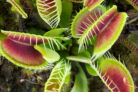
It’s tempting to play “chef,” but your flytrap is already an expert hunter. It uses those bright red traps to lure in tiny insects all on its own. You really don’t need to feed it manually. In fact, overfeeding it—or giving it things it can’t digest (like human food)—can actually cause the traps to rot. Also, skip the fertilizer entirely! These plants evolved to grow in nutrient-poor soil, and fertilizer will actually burn their roots.
Growing Your Collection
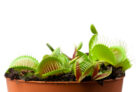
If you fall in love with your plant and want more, propagating them is actually pretty straightforward. You can grow them from seeds, divide the root ball during repotting, or even start new plants from leaf cuttings.
Winter Dormancy
Don’t panic when the weather gets cold! Venus flytraps need a winter rest period to stay healthy long-term. During this time, the leaves might turn black and die back, and any new traps will be much smaller. Move your plant to a cooler spot (around 50°F to 60°F) and cut back on the watering. It’s just taking a nap so it can come back stronger in the spring!