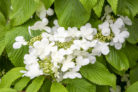
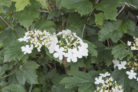
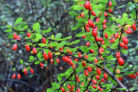
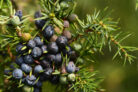
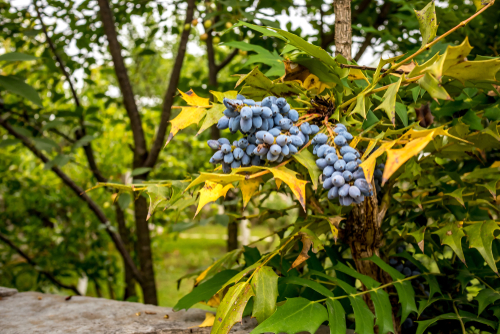
Most varieties of Viburnum produce berries that are strictly for the birds—literally! While our feathered friends love them, many are toxic to humans. However, the American Cranberrybush (or European Cranberrybush/Guelder Rose) is a bit of an exception. If you know exactly when to pick them and how to cook them, these berries can actually be edible.
In this post, we’ll dive into:
- How to spot perfectly ripe berries
- When it’s actually safe to eat them
- The traditional medicinal uses for this plant
Spotting Ripe Berries
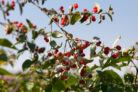
Once the blooming season wraps up, the Viburnum starts putting its energy into fruit. The berries start out yellowish and slowly turn a bright, glossy red as they ripen. They usually hit peak ripeness by November and will actually hang onto the branches all winter long—unless the local birds get to them first!
Are They Edible or Not?
Here’s the deal: almost every part of the Viburnum plant is considered toxic to humans. The raw berries are classified as mildly toxic, so never eat them straight off the bush. Doing so is a quick way to end up with a nasty case of nausea, vomiting, or diarrhea.
However, heat is the magic ingredient here. Cooking the berries breaks down the toxins, making them safe to use for things like jams or jellies. Just make sure you’re only using fully ripe, red berries, as they have a lower concentration of toxins than the green ones. Pro tip: the longer the berries stay on the bush, the better they are for processing.
For birds, these berries are a total superfood. They’re a vital food source during the lean winter months, which is why Viburnum is one of my top recommendations if you’re looking to plant a bird-friendly hedge in your backyard.
Medicinal and Homeopathic Uses
Viburnum berries contain compounds known for their calming and anti-spasmodic effects. Historically, they’ve been used to help with menstrual cramps. That said, I wouldn’t recommend playing “backyard pharmacist”—it’s always safer to stick to tested, store-bought herbal supplements.
In some Eastern European traditions, the berries are used as a cold remedy. They’re crushed into hot water and mixed with honey for a soothing tea. Even then, they usually wait until after the first hard frosts of winter to harvest them, which helps naturally break down those mild toxins.