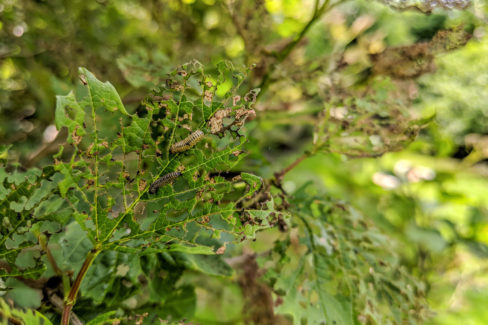
Even though Viburnum is generally a pretty tough shrub, it’s basically a five-star buffet for certain garden pests. The biggest troublemaker you’ll run into is the Viburnum Leaf Beetle. Here’s the lowdown on how to spot these little guys and keep them from taking over your garden.
How to Spot a Viburnum Leaf Beetle Infestation
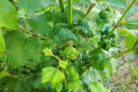
It’s a double whammy with these pests: both the adults and the larvae have massive appetites. They’ll munch on the foliage until there’s nothing left but a “skeleton” of leaf veins. To make matters worse, once the beetles mature, they chew little notches into the new wood (the one-year-old shoots) to lay their eggs.
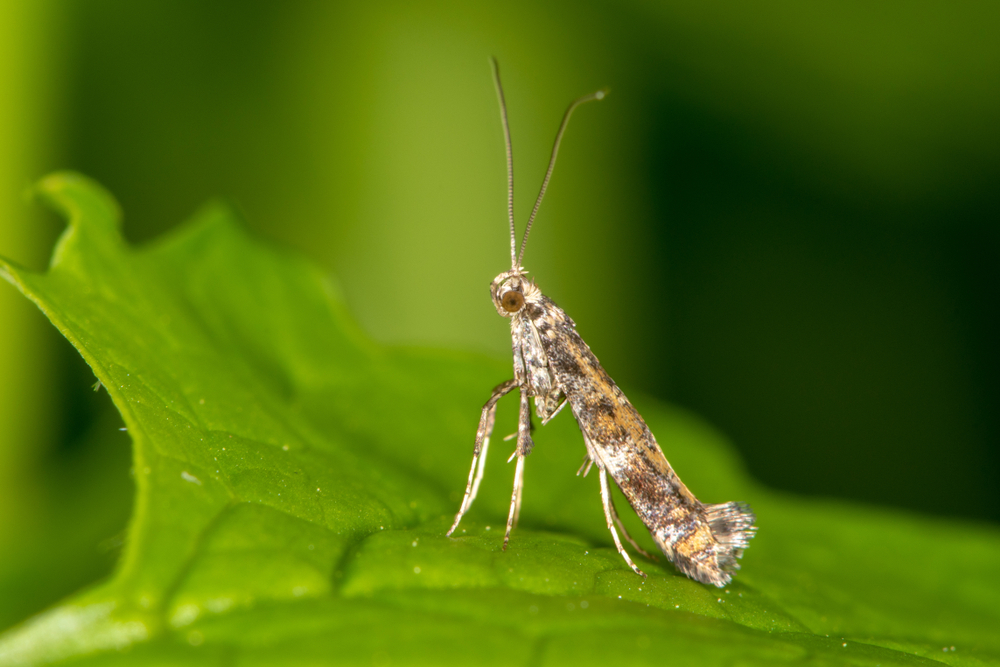
The larvae are about 1/4 to 1/3 of an inch long and usually hang out on the undersides of the leaves. They’re pretty easy to spot thanks to their yellowish-brown bodies covered in black spots or “warts.” The adult beetles are about 1/5 of an inch long and a similar brownish color. They’re also super skittish—if you touch the branch, they’ll either fly off or drop straight to the ground to hide.
Getting Rid of Viburnum Leaf Beetles
If you catch the problem early and there are only a few bugs, you can usually handle it by hand. Just lay a tarp or an old sheet under the bush and give the branches a good shake or tap. The larvae will fall right off, and you can gather them up and dispose of them. You can also just snip off any individual leaves that look heavily infested.
If things have gotten out of control, you might need to reach for an insecticide containing pyrethrum. Products that mix pyrethrum with canola oil are especially effective. Just make sure to choose a bee-friendly formula! When you spray, you’ve got to be thorough—soak the plant until it’s dripping, because the spray needs to actually make contact with every single larva to work.
Other Common Viburnum Pests
While the leaf beetle is the main villain, your Viburnum might also deal with:
- Aphids
- Gall mites
The good news? These two are much easier to manage with natural home remedies, like a spray made from garlic or stinging nettles.
How to Prevent Pests in the First Place
The best defense is a good offense! Keeping your plant healthy with regular pruning is a huge help. Strong, well-maintained plants are much more resistant to diseases and bugs. Here are a few more pro tips for a pest-free garden:
- Attract “good bugs” like ladybugs, lacewings, and earwigs to act as your natural security detail.
- Use sticky traps or barriers around the trunk to stop larvae from climbing.
- Try companion planting to create a more diverse, resilient ecosystem.
- Give your shrubs a boost with a homemade horsetail tea (it’s great for strengthening plant tissues!).