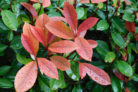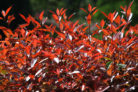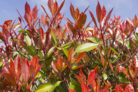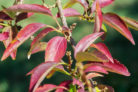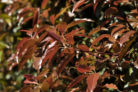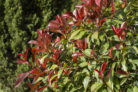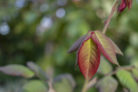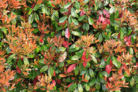
Photinias (Red Robins) are definitely eye-catchers in the garden, but they aren’t always as “bulletproof” as some garden centers claim. Since they’re evergreen and love a bit of warmth, they can get a little grumpy when faced with constant dampness or deep freezes.
Common Fungal Infections to Watch Out For
Did you know the Photinia is actually part of the pome fruit family? Because of that, it’s susceptible to many of the same issues as apple or pear trees. Depending on the time of year and the weather, you might run into apple scab, leaf spot, or powdery mildew. Just a heads-up: the dreaded fire blight isn’t a fungus—it’s a serious bacterial disease that often has to be reported to local agricultural authorities.
Fungal infections that might hit your Photinia:
- Apple Scab
- Leaf Spot
- Powdery Mildew
How Do I Spot a Fungal Infection?
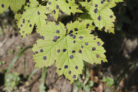
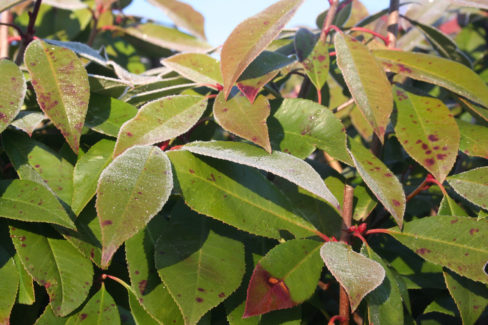
The symptoms usually depend on which “uninvited guest” has moved in. If you see greenish or blackish-brown spots on the leaves, you’re likely looking at apple scab. This usually starts in the spring, especially if the weather is warm and humid. On the other hand, if the leaves look like they’ve been dusted with flour, that’s a classic sign of powdery mildew.
With leaf spot, you’ll typically see brown spots that have a distinct dark border. Sometimes these spots can even look yellow or reddish. While several different fungi can cause this, the good news is that the treatment is pretty much the same across the board.
How Do I Treat a Fungal Outbreak?
If you catch it early, you can usually get your Photinia back on track. Your first move should be to grab your pruning shears. Cut away any infected leaves and branches to stop the fungus from spreading further.
If the infection has really taken over, you might need to consider a fungicide or, in extreme cases, removing the plant entirely to save the rest of your garden. While I love a good DIY hack, home remedies usually aren’t strong enough to cure an active infection—they’re much better used as a preventative.
Pro Tips for Prevention
Prevention starts the moment you plant your Photinia. Choosing the right spot is key! While they like soil that stays fresh and slightly moist, they absolutely hate “wet feet” (standing water). Also, make sure to give them enough space; good airflow helps the leaves dry off quickly after a rainstorm.
Quick Tip: When watering your Photinia, aim directly at the root zone. Keeping the foliage dry is one of the best ways to make sure fungi don’t feel welcome in your garden.