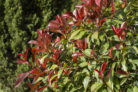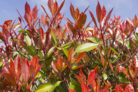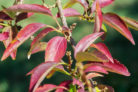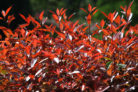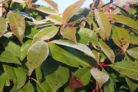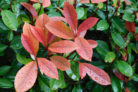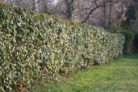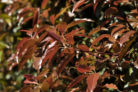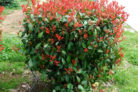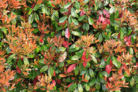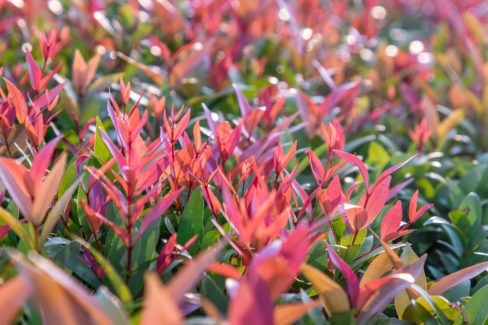
With its glossy, vibrant leaves, the Red Tip Photinia (or Brush Cherry) is a real showstopper in any backyard. But even these tough beauties can run into trouble with pests. If you notice your plant looking a little under the weather, you’ll want to act fast so it can bounce back quickly.
What kind of pests love Photinia?
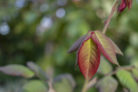
The most common uninvited guests you’ll find on a Photinia are aphids and vine weevils, and they leave very different calling cards. Aphids leave behind a sticky residue (honeydew) on the leaves, usually hiding out on the undersides. As they suck the sap out of your plant, you’ll notice the leaves turning brown. If left untreated, that sticky mess often leads to fungal issues like sooty mold.
On the other hand, if you see half-moon-shaped notches chewed out of the edges of your leaves, you’re likely dealing with vine weevils. The tricky part? It’s not just the nocturnal beetles doing the damage. Their larvae live in the soil and feast on the roots. Without a little intervention, the plant will really struggle to survive.
How do I get rid of these pests?
Before you reach for the heavy-duty chemicals, try some eco-friendly home remedies. If the infestation is small, simply picking the bugs off by hand can be surprisingly effective. For vine weevils, try the “flowerpot trick”: place an upside-down pot filled with wood wool or straw near the base of the plant. The beetles will crawl inside to hide during the day, making it easy for you to collect and relocate them.
For aphids, a strong blast of water from the garden hose can often knock them loose if the problem is just starting. If they’re being stubborn, neem oil or a simple soap-based spray works wonders. Just mix a little dish soap with a few drops of canola oil and plenty of water. Spray your Photinia thoroughly every two to three days until the aphids are gone.
Quick Summary:
- Common pests: Aphids, vine weevils.
- Signs of trouble: Sticky residue or browning leaves (aphids); notched, chewed leaf edges (weevils).
- Solutions: Beneficial insects, neem oil, or soapy water (for aphids); hand-picking or using nematodes (for weevils).
- Prevention: Choose a great planting spot, keep up with proper care, and strengthen the plant with natural boosters like nettle tea or horsetail extract.
Pro Tip: The best defense is a good offense! Keep your Photinia healthy with the right nutrients and occasional organic tonics like stinging nettle tea to help it naturally ward off pests.