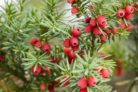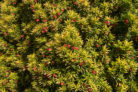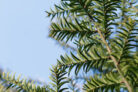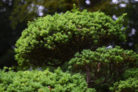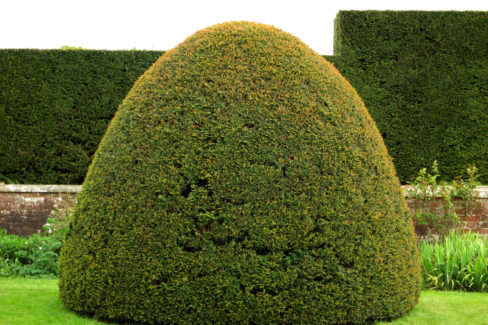
Yews are native to Central Europe, which means these hardy evergreens are usually pretty tough and well-adapted to backyard life. For the most part, they handle local conditions like pros, and native pests rarely cause a major scene. However, even the toughest tree has a bad day now and then. If your yew is looking a little under the weather, here’s how to spot the usual suspects and get your garden back on track.
The most common pests you’ll run into are:
- Scale insects
- Gall wasps
- Black vine weevils
Dealing with Scale Insects
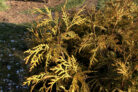
Scale insects are tiny—so small you’ll probably never see the bugs themselves with the naked eye. Instead, keep an eye out for symptoms: if your yew needles are turning yellow and dropping off, you might have guests. Another dead giveaway? A “highway” of ants marching up and down the trunk. Scale insects leave behind a sticky residue (honeydew) that ants absolutely love.
To get rid of them, start by breaking up those ant trails. Once the ants are out of the way, your best bet is to release some parasitic wasps. These are the natural enemies of scale and will happily do the cleanup work for you. If you notice a specific branch is totally covered, your best move is to prune it off and burn it to stop the spread.
How to Evict Gall Wasps
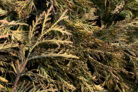
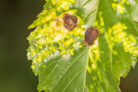
If you notice the needles on your yew are changing color and curling into weird, distorted shapes, you’re likely looking at gall wasp damage. Unfortunately, parasitic wasps usually only help if the infestation is very light. In most cases, you’re going to need to grab the shears and prune out the affected areas.
Safety first: make sure you wear gardening gloves! The taxine found in yews can cause skin irritation or allergic reactions for some people. Once you’ve finished pruning, toss the clippings into a sealed trash bin or burn them. Whatever you do, don’t just leave them on the ground, or the wasps will just find their way back.
Fighting Back Against Black Vine Weevils
The third pest to watch out for is the black vine weevil. This little beetle lays its eggs in the soil, and once they hatch, the larvae start munching on the plant’s roots. To fight back, I recommend using beneficial nematodes. These are microscopic roundworms you can water into the soil; they’ll hunt down the larvae and take care of the problem underground.
As for the adult beetles, they’re night owls. You can catch them by setting out small containers filled with wood wool (excelsior) under the tree. The weevils will crawl inside to hide during the day, making it easy for you to collect and dispose of them.